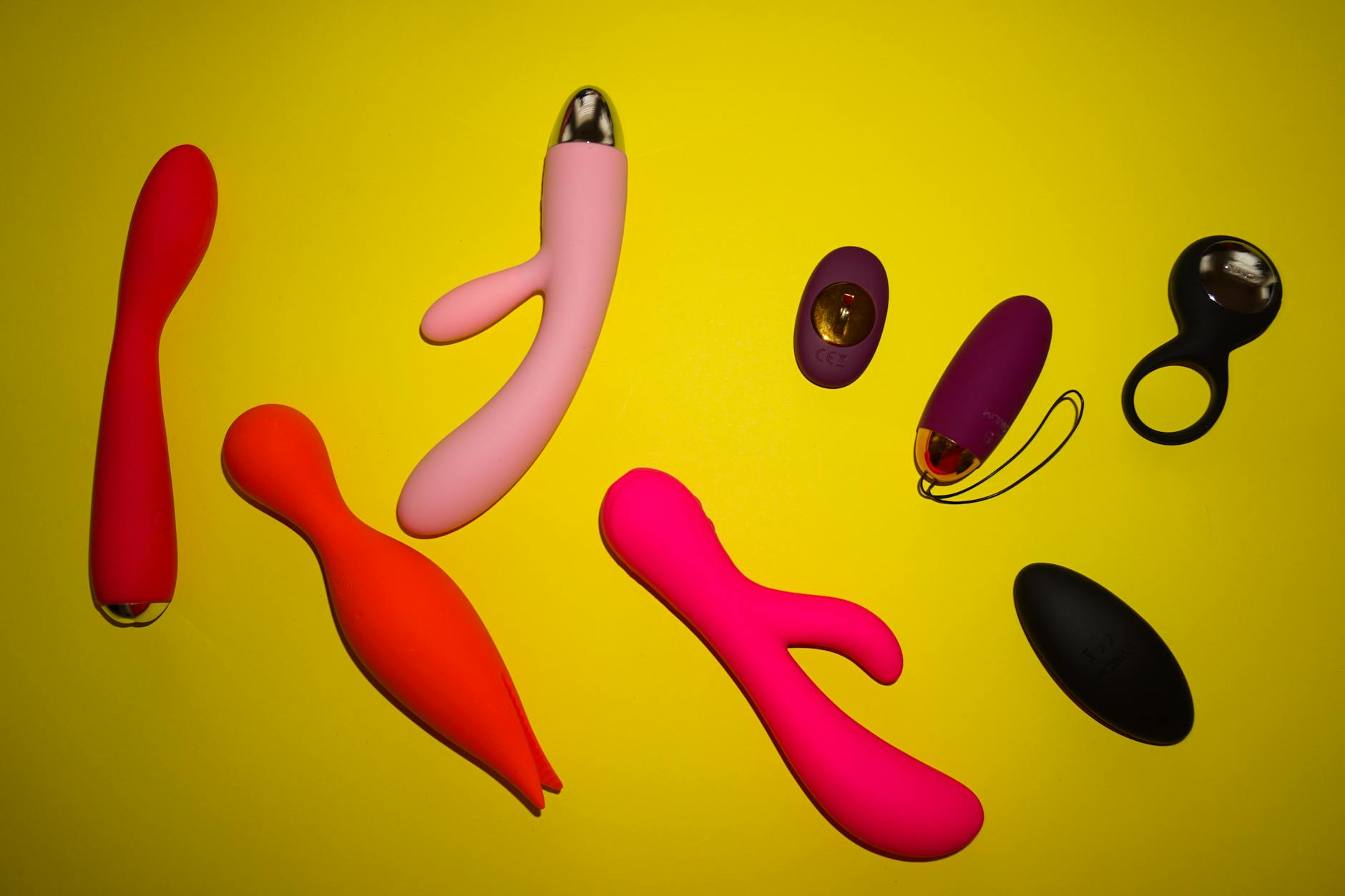
Air-pulsing sensation versus direct vibration. Which one actually delivers what your body is looking for, and why the difference matters more than marketing would have you believe.
Honestly, the vibrator aisle (digital or otherwise) makes it seem like you need a degree in engineering to pick between them. You don't. But understanding the core difference between how a lemon vibrator and a traditional wand actually work on your body is genuinely useful information that changes everything.
A lemon clitoral vibrator uses air-pulsing technology. Instead of moving back and forth or side to side, it creates a gentle suction-and-release pulse around the clitoris. Think of it less like a massage and more like a wave of pressure that builds and releases.
A traditional wand, by contrast, vibrates at a fixed frequency, usually between 40 and 9,000 hertz depending on the model. The vibration is direct contact vibration, which means your tissue is moving against the vibrator's surface constantly.
Both reach orgasm. Both feel good. But the sensation pathway is completely different.
With a lemon sucker or air-pulse device, the stimulation is more diffuse. It targets the entire external clitoral structure, not just one point. Many people describe it as feeling like a gentle mouth around the area, which is not coincidental. The technology was literally inspired by that sensation.
With a wand, the stimulation is typically more concentrated. If you're pressing it against your clitoris directly, you're getting intense, high-frequency vibration in a smaller surface area. If you're using it indirectly (through fabric or by angling it), you get a broader sensation but still with that constant buzzing quality.
Which feels better? That depends entirely on your nerve sensitivity, your tissue thickness, and what your brain has learned to expect. There's no universal answer, which is why so many people need to try both.
Traditional wands typically offer multiple intensity settings, and many go very high. If you like strong, direct stimulation and you want to crank it to maximum power, a wand is usually your move. The vibration frequency is relentless and powerful.
Lemon vibrators tend to offer gentler pulses, though the Lem and other higher-end models have multiple settings too. The intensity is still significant, but it's delivered differently. You're getting waves of pressure rather than continuous buzzing.
If you're noise-sensitive, this matters. Lemon vibrators are generally quieter because they're not vibrating at thousands of hertz. They're pulsing. The sound footprint is smaller.
Here's where it gets interesting. Because a lemon vibrator works via suction patterns rather than direct vibration, the sensation changes more across different settings. Setting 1 might feel like a gentle pulse. Setting 3 might feel more like rhythmic waves. Setting 5 feels like something else entirely.
With a wand, you're usually just turning up the same buzzing sensation to different intensities. More or less buzz, mostly. Some wands have pattern modes, but the core sensation stays consistent.
For people who like sensation variety during a session, this difference is significant. Lemon vibrators reward exploration. You can spend 15 minutes moving through different settings and feeling like you're experiencing different devices.
Wands tend to be more durable in a raw mechanical sense. They're simple devices. Less can go wrong. But here's the catch: the constant high-frequency vibration can cause temporary numbness if used for extended periods. Many wand users report needing to take breaks to regain sensation.
Lemon vibrators and air-pulsing devices work differently enough that numbness is less common. The suction-and-release pattern doesn't numb tissue the same way constant vibration does. This means you can often use them longer without needing a sensation reset.
If you're someone who likes extended sessions, this is worth considering.
If you have vulvovaginal pain, high sensitivity, or recovering from irritation, a lemon clitoral vibrator often feels better than a wand. The diffuse pressure of air-pulsing doesn't create the same friction or intense focal stimulation that can aggravate tender tissue.
Wands are not inherently painful, but they can be if you're sensitive or if you're pressing too hard. The concentrated vibration on tender areas can feel sharp rather than pleasurable.
That said, your best move if you're dealing with pain is to start with the lowest intensity on whatever device you choose. And honestly, a conversation with a pelvic health therapist is worth the investment.
If you're using a device during partnered sex, the type matters for different reasons. A wand can be harder to maneuver because of its shape. A lemon vibrator is typically more compact and ergonomic for two bodies navigating the same space.
Some partners feel more connected to lemon vibrators because the sensation is gentler and more modulated, which can feel less like the device is dominating the experience and more like it's enhancing what's already happening. Others prefer the straightforward power of a wand.
The best device is the one you'll both enjoy using. If that requires trying a couple, that's fine. You're gathering data, not committing to a purchase.
Lemon vibrators tend to be positioned at a higher price point than basic wands, but not always more expensive than high-end wands. You're paying for the air-pulsing technology, which is more complex to manufacture.
Material quality matters for both. Silicone is standard for both device types because it's nonporous, easy to clean, and doesn't harbor bacteria. Some wands come in plastic, which is fine but less premium feeling and harder to sanitize completely.
Value isn't about the lowest price. It's about whether the device you're buying actually delivers the sensation you want long-term. A cheap wand you never use isn't a deal. A lemon vibrator that becomes your go-to device is worth the investment.
Think about what you actually want from your device:
Do you want intense, direct, high-frequency stimulation? Wand.
Do you want gentler, more nuanced sensation with less risk of numbness? Lemon vibrator or air-pulsing device.
Do you want multiple wildly different sensation options? Lemon clitoral vibrator.
Do you want something compact and easy to use during partnered sex? Lemon vibrator.
Do you want maximum power with zero learning curve? Wand.
Do you want something quiet and less buzzy-sounding? Air-pulsing device.
Honestly, the ideal answer for many people is owning both. They serve different moods, different bodies on different days, different contexts. But if you're starting with one, knowing what you actually value in a device makes the choice simple.
Stronger is subjective. A wand's concentrated vibration can feel more intense in a narrower area. A lemon vibrator's broader, pulsing sensation often feels deeper and more full-bodied to people who've tried both. Some research suggests air-pulsing technology actually accesses different nerve pathways than direct vibration, which means the orgasm quality can genuinely feel different, not just more or less intense. Try both if you can and notice which one makes you think "wait, that was different" afterward.
No device works for everyone. Some people find air-pulsing sensation confusing at first because it's unfamiliar. Your body needs a minute to understand what's happening. But most people who give it a real try (multiple sessions, multiple settings) find at least one sensation they love. If you've only ever used wands, your nervous system has learned to expect that type of stimulation. A lemon vibrator might feel weird before it feels good. That's normal.
Lemon clitoral vibrators generally win here. Because the suction is distributed over the whole external clitoral structure rather than focused on one point, it's less likely to feel overwhelming or painful if your clitoris is sensitive. You can also use a lemon vibrator with fabric between you and the device if you need even more diffusion. Try that with a wand and you've lost most of the sensation.
Physically, no. They're both meant to be the primary stimulation. But you can absolutely use them in the same session at different times, alternating between them to keep sensation fresh or to chase different kinds of pleasure. This is actually a common strategy among people who own both.
Yes, generally. Air-pulsing technology creates sound, but it's a softer pulsing sound rather than the high-pitched buzz of a vibrating wand. If noise is a concern for you (roommates, partners, privacy), a lemon vibrator is usually the better choice. That said, high-end wands with motor isolation can be surprisingly quiet. It's worth checking specs or looking for reviews that mention noise level.
There's no wrong starting point. If you like the idea of strong, straightforward sensation with no learning curve, start with a wand. If you're curious about something that works differently and you like the idea of exploration, try a lemon vibrator. Your first device doesn't have to be your forever device. Many people actually try both before settling into what they prefer. The goal is pleasure, and pleasure comes from trying things and learning what works for your specific body, not from making a single perfect choice.
Lemon vibrators and traditional wands are different tools. One isn't better. They're better for different people, different moments, different bodies, different moods. The marketing world wants you to think one is clearly superior, but that's just because marketing needs a winner. Your body doesn't think in winners and losers. It just knows what feels good.
The point of understanding how they differ is so you can make an informed choice instead of just grabbing whatever was in stock or whatever you saw first. You deserve to know what you're buying and why it might work for you. That clarity is the whole point. If you want to explore what works for your body, contact us and ask questions. We're here for it.