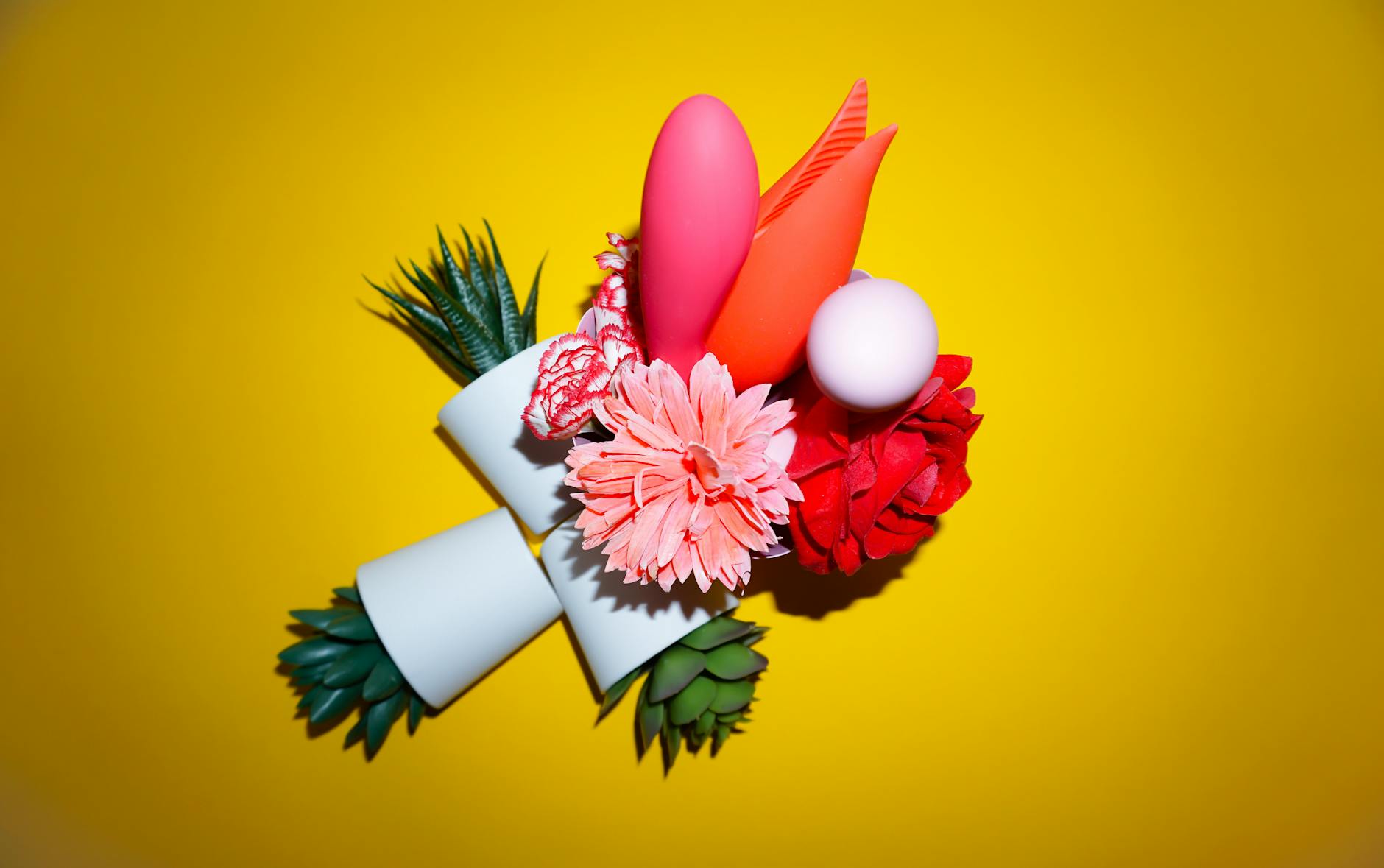
Your body doesn't stop wanting pleasure after 30. It just wants it differently. Here's what changes—and why lemon clitoral vibrators are often a better fit than whatever worked at 25.
Let's be real. Your body at 35 doesn't respond to touch the same way it did at 25. Your skin is thicker. Your circulation shifts. Your nervous system has a decade of stress baked into it. And your clitoris—that sensitive bundle of 8,000 nerve endings you've been living with—actually changes in texture and depth.
None of this is bad. But it does matter when you're choosing a vibrator.
Most sexual wellness advice treats pleasure like a fixed thing. It's not. It's a moving target that evolves with hormones, stress, medications, and just the simple fact of aging. Understanding what changes helps you pick tools that actually work, instead of wrestling with something designed for a 22-year-old's nervous system.
Here's the anatomy part, made simple. Your skin's collagen production slows down. The epidermis thins slightly, which means nerve endings sit closer to the surface but are also more easily overstimulated by harsh vibration. Estrogen levels remain stable (unless you're approaching perimenopause), but your baseline cortisol goes up with midlife stress, which actually dampens arousal signals.
Your clitoris doesn't shrink. But the tissue around it changes. The glans gets slightly less swollen during resting state, and the retraction reflex—that pull-back that happens during arousal—becomes less pronounced. This is completely normal and affects maybe 30 percent of people noticeably.
What matters more: your blood flow patterns shift. The initial rush of arousal takes slightly longer to build. Your pelvic floor muscles have either gotten stronger (if you've done pelvic floor work) or tighter (if you haven't, or if you're stressed). Both states change how vibration feels.
You probably don't want a jackhammer at 25, and you definitely don't at 35. Here's why.
Your nervous system becomes more sensitive to pain signals as you age, even though pleasure sensitivity can stay the same. That's not depression talking—it's neurology. The threshold for "ouch" lowers while the threshold for "yes" stays put. This is why a vibrator that felt amazing at 28 might feel agitating at 32.
Lemon clitoral vibrators and air-suction devices like the Lem work particularly well in this window because they use gentler, broader stimulation instead of concentrated buzz. The suction pattern creates a pulling sensation that works with your nervous system instead of overwhelming it.
Many people also report that they want more variation after 30. A single speed feels boring. You want movement, patterns, a device that responds to what your body needs in the moment. This is wisdom, not a problem.
Quick arousal at 25 is real. Your body floods with blood, your clitoris engorges, sensation peaks fast. After 30, especially after 35, the timeline stretches.
You might need 15-20 minutes of warm-up where you used to need 5. You might need mental space in a way you didn't before. Your arousal might feel less like a spike and more like a slow climb. None of this is failure. It's just the nervous system doing its job with more complexity.
The good news: when arousal does build, it often sustains longer. Orgasms can be more nuanced. People frequently report that after 30, they experience multiple orgasmic sensations in one session instead of one big release, which many describe as better.
Lemon vibrators with adjustable patterns support this rhythm. You can start gentle and slow, then gradually intensify, instead of jumping straight to maximum speed.
Here's a thing nobody tells you clearly: lubrication changes after 30, even without hormonal changes. Arousal-induced lubrication can feel less copious. It's not that you're "dry"—that word is overused and misleading. It's that the volume and consistency change slightly.
This absolutely doesn't mean you need less stimulation. It means you might benefit from additional lubrication during longer sessions, especially if you're using a device without the gentleness factor built in.
Water-based lube isn't a sign something's wrong. It's part of working with your body instead of against it. Pair it with a lemon clitoral vibrator and you've got a combination that respects how your tissue actually works at this stage.
After 30, your most sensitive areas might move. The clitoral glans might feel too intense on direct contact. The shaft or the outer labia might become the sweet spot. Your body knows this instinctively—you probably already know where feels good and where feels annoying.
The issue is that many traditional vibrators are designed for direct glans stimulation. Air-suction lemon vibrators work differently. They create pressure and release across a wider surface area, which means you get intense sensation without the same concentrated pressure. For people whose sensitivity has shifted, this design feature is genuinely game-changing.
After 30, your pelvic floor often tightens. This can happen from stress, from sitting at a desk, from age-related changes in connective tissue, or from protective tension around chronic pain. A tight pelvic floor changes how vibration feels—it can make stimulation feel less accessible, almost blocked.
The solution isn't to muscle through it. It's to warm up longer, use gentle patterns first, and sometimes do pelvic floor releases (which a pelvic floor physical therapist can teach). Your vibrator becomes part of that conversation, not the whole solution.
Lemon vibrators work well here because they don't demand the pelvic floor to be in any particular state. They work with tightness instead of fighting it.
By 30, many people are on medications that affect sensation. Antidepressants, birth control adjustments, blood pressure meds, allergy medication, even certain supplements can dull arousal or shift what feels good.
This is important context. If your pleasure feels different after 30 and you've also started a new medication, the medication might be the bigger story than aging. That's not something a vibrator can fix, but it's worth naming and discussing with your doctor.
I've been painting the picture of changes and I should balance it. After 30, people often know their bodies better. You've had time to figure out what works. You're less performative. You're not worried about impressing someone or being "sexy." You want pleasure on your terms.
This mental clarity alone makes pleasure more accessible. And it means when you choose a vibrator, you can choose it for yourself, not for what you think should work.
Lemon vibrators and clitoral vibrators designed with this knowledge—gentler suction, adjustable patterns, designed for broader stimulation rather than deep penetration—often feel more aligned with how bodies actually work after 30.
First, extend your warm-up time. Give yourself 15-25 minutes before you expect intensity. Use your vibrator on lower settings at first. Let arousal build slowly. This isn't weakness. It's working with neurology.
Second, invest in good lubrication. Water-based is compatible with all silicone toys. It's not admitting defeat. It's adding information to the experience.
Third, try lemon clitoral vibrators if intensity or sensitivity has shifted. The suction pattern, the broader stimulation, the adjustable speeds—these features were literally designed for bodies that have aged past the 22-year-old baseline that traditional vibrators assume.
No. Pleasure changes shape, but research consistently shows that people report more satisfying orgasms after 30 than before. The difference is that satisfaction comes from knowing yourself better, not from speed or intensity.
Maybe, but probably not optimally. Your nervous system and tissue have changed. What felt perfect at 25 might feel harsh at 35. That's not a flaw in the vibrator. It's a signal that your needs have evolved.
Absolutely not. Lubrication is standard at any age. Many people who use lubricant report better, longer sessions because there's less friction and more glide. It's a tool, not a diagnosis.
Not necessarily. But if you've noticed that traditional vibrators feel less comfortable, or if you want adjustable patterns and gentler initial stimulation, lemon clitoral vibrators are worth trying. They're designed with exactly this shift in mind.
That's a different conversation entirely, and frankly, it's the more important one. Your pleasure matters. Your body at 35 is not a downgrade from your body at 25. If a partner makes you feel that way, that's worth addressing directly.
After 30, pleasure isn't about being faster or harder. It's about knowing yourself deeply enough to ask for what actually works. A lemon clitoral vibrator is just a tool that meets you where you actually are, not where you think you should be.
Your body is smarter than it was a decade ago. Your vibrator should be too.