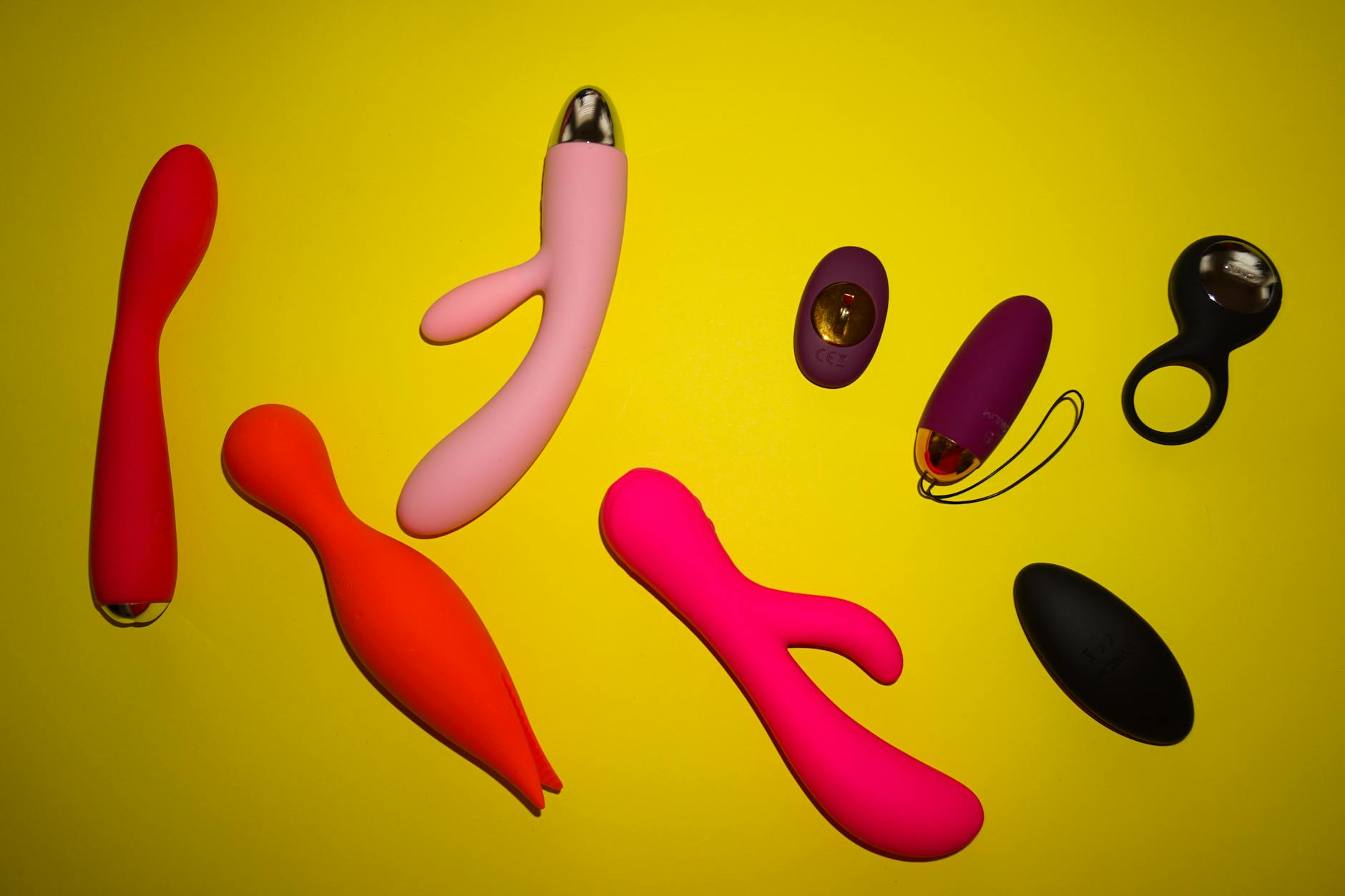
Reduced clitoral sensitivity is wildly more common than anyone admits. You're not alone, and you're not broken. Sensitivity shifts happen for dozens of reasons. Sometimes it's medication. Sometimes it's stress. Sometimes your body's just changed, and what worked for years suddenly doesn't deliver anymore.
Here's what matters: the problem isn't your capacity for pleasure. It's that the tools you've been using might not match what your body needs right now.
Traditional vibrators work by oscillating side to side or up and down. If your clitoris has reduced sensitivity, those vibrations might feel like background noise instead of signal. You're touching the right spot, using decent pressure, and nothing's happening. That's not a sign you're broken. It's a sign that this particular frequency of stimulation isn't reaching your nerve endings the way it used to.
Reduced clitoral sensitivity can come from a few different sources: prolonged use of the same toy (temporary nerve adaptation), hormonal shifts, certain medications, pelvic floor tension, age-related tissue changes, or even just chronic stress narrowing your nervous system. Whatever the cause, the fix isn't always "buy a stronger vibrator." Sometimes the fix is a completely different type of stimulation.
Lemon vibrators, like those from My Lem Store, use suction stimulation instead of (or alongside) traditional vibration. This is the key difference. Instead of buzzing, they create a gentle rhythmic pulse that draws tissue slightly upward. That creates a very different sensation pathway.
Think of it this way. Vibration reaches your outer nerve endings. Suction reaches deeper layers and engages a different network of nerve clusters around the clitoris and vulva. If vibration has stopped landing, suction often wakes up sensation your body forgot it had.
The clitoris has over 8,000 nerve endings. Traditional vibration might be stimulating the same 30 percent. Suction engages a broader, deeper range. For people with reduced sensitivity, that difference is life-changing.
Four reasons why lemon clitoral vibrators tend to work better when sensation has dropped:
1. Gentler activation threshold. You don't need maximum power for suction to work. Many people with reduced sensitivity find that lower suction settings activate sensation that high-intensity vibration never reached. You can start subtle and work your way up, which matters when you're rebuilding sensitivity.
2. Broader nerve engagement. Suction doesn't just buzz one spot. It creates a gentle pulling sensation across the whole head of the clitoris and surrounding tissue. That broader contact area means more nerve activation from less intense stimulation.
3. Feedback loop. Suction creates a feedback sensation that your brain registers differently than vibration. The pulse tells your nervous system "something is happening here." For people whose sensitivity has dulled, that changed signal often wakes things up faster than familiar vibration patterns.
4. Pelvic floor compatibility. Reduced clitoral sensitivity often comes hand in hand with pelvic floor tension. A lem vibrator's gentler suction is less likely to trigger the clenching response that tightens everything down further. You can work with your body instead of fighting it.
Don't just grab a lemon clitoral vibrator and expect instant magic. If your sensitivity has dropped, your nervous system needs time to wake back up.
Start at the lowest suction setting. Most people think that means less pleasure, but with reduced sensitivity, low settings are often where the game changes. You're not looking for overwhelming sensation right now. You're looking for signal. Low suction creates a gentler pulse that your desensitized nerve endings can actually perceive.
Budget 20 to 30 minutes your first few times. Seriously. Sensitivity restoration isn't a sprint. Spend the first 10 to 15 minutes just getting your body used to a completely different type of touch. Some women report that the first session feels like almost nothing. The second session is slightly more. By the fourth or fifth, things start waking up.
Use lube even if you think you don't need it. Water-based lube helps the suction seal work better and reduces any friction feeling on sensitive skin. It's not about lubrication this time. It's about making the suction sensation cleaner and more distinct.
Don't combine it immediately with other stimulation. If you've been trying partner play or penetration plus vibration and nothing landed, this time try just the lemon vibrator alone. Your nervous system needs to learn this new sensation without competing inputs.
Honestly, the question I get most is: how long until I feel normal again? The answer depends on what caused the sensitivity drop in the first place.
If it's medication-related, sensitivity often starts coming back weeks or months after your doctor adjusts your dose or switches you to something else. The vibrator helps maintain connection during that waiting period.
If it's stress or exhaustion, introducing a new type of stimulation like suction can sometimes wake sensation back up within two to three sessions. Your nervous system responds well to novelty.
If it's hormonal, the timeline is longer but real. Many people with post-menopausal reduced sensitivity find that consistent use of a lem vibrator over two to three months rebuilds significant sensation. You're not creating new nerve endings. You're retraining your body to perceive the ones you have.
If it's from prolonged use of the same toy, taking a break and switching to a completely different stimulation type (like suction) for a few weeks usually resets things fast. Nerve adaptation is real but also reversible.
If sensation hasn't started shifting after six to eight weeks of consistent use, something else might be going on. At that point, it's worth checking in with a gynecologist or sex therapist. Reduced sensitivity can sometimes point to pelvic floor dysfunction, hormonal imbalance, or other things that benefit from professional input.
Also pay attention to whether sensitivity is returning evenly or unevenly. If one side of your clitoris is waking up but the other isn't, that sometimes indicates a pelvic floor tension pattern on one side. A pelvic floor physical therapist can assess that.
Most of the time though, reduced sensitivity plus a lemon vibrator equals "okay, my body just needed something different." And that's it. You get your pleasure back. You move on.
If you share a bed with someone, the simplest thing you can do is let them know what's happening and that you're experimenting with a new approach. You don't need to hand them a manual. Something like "I've noticed sensation's been quieter lately. I picked up a new vibrator to try" is enough.
Many partners actually find this moment a relief. They've probably noticed too and felt a bit helpless. Introducing a lemon clitoral vibrator (from My Lem Store or elsewhere) is often a "oh good, we're solving this" moment rather than a "there's something wrong" moment.
If you want to use it together, that works too. Suction vibrators tend to be intuitive for partnered play once you've spent time with one alone first. You'll know what setting and rhythm work for you.
Reduced clitoral sensitivity doesn't mean your pleasure is gone. It means the path to pleasure changed. Lemon vibrators work for sensitivity loss because they take a completely different route to wake your nerve endings back up. That's not a workaround. That's just smart tool selection.