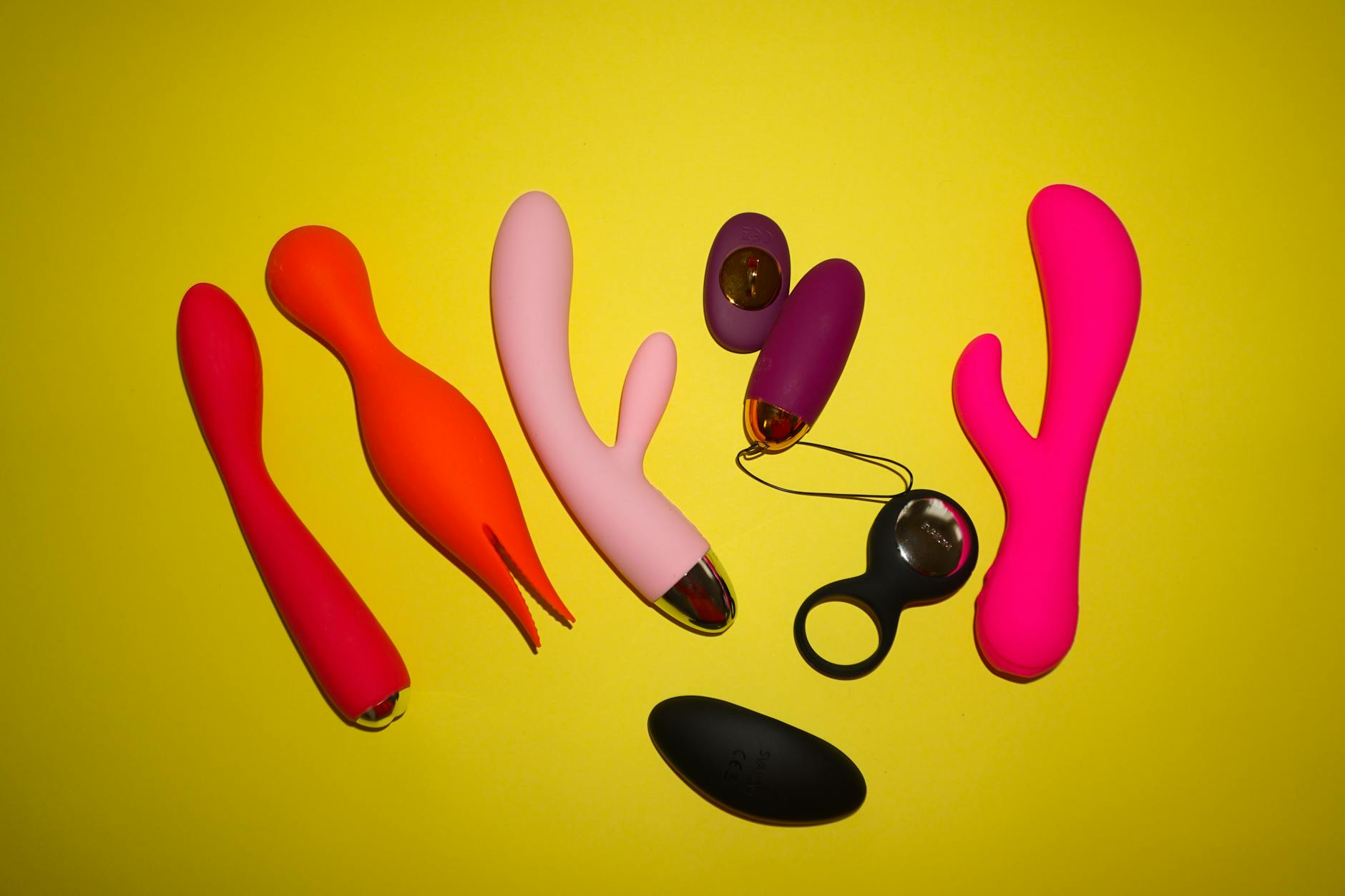
Let's be real. Not every lemon vibrator works for every body. And buying the wrong one—too intense, not intense enough, wrong sensation entirely—tanks your confidence and costs money. The problem is that most guides talk about lemon clitoral vibrators or lemon sexual toys in general terms without addressing the fact that clitoral sensitivity exists on a spectrum, and it matters.
Your sensitivity type determines whether you want suction, vibration, pulsing, or something in between. Get this right, and you unlock orgasms that feel easy. Get it wrong, and you're back to square one.
Your clitoris falls into one of four categories based on how it responds to stimulation. This isn't about being "tight" or "loose"—it's about nerve density, blood flow patterns, and how quickly sensation registers.
Type 1: Highly sensitive (fast responders). Your clit responds quickly to light touch. Direct stimulation feels intense within seconds. You might experience numbness if friction is too heavy or sustained. You probably orgasm easily alone but find partnered sex overstimulating. You need gentleness and variety.
Type 2: Moderately sensitive (balanced responders). You respond to both light and moderate pressure. Orgasms take 5–15 minutes with consistent, focused stimulation. You're comfortable with direct contact but also enjoy indirect play. You're the Goldilocks group—most commercial vibrators are designed with you in mind.
Type 3: Less sensitive (slow responders). Your clitoris needs sustained, moderate-to-firm pressure to build arousal. Light touch doesn't register much. You typically need 20+ minutes of consistent stimulation. Direct vibration or suction on the clitoral head might feel less effective than broader pressure.
Type 4: Variable sensitivity (reactive responders). Your sensitivity shifts depending on your cycle, stress, medication, or mood. One week, light touch works beautifully. The next, you need intensity. You benefit from a vibrator with multiple settings and flexibility.
Before you pick a device, understand what each one does to your tissue.
Suction (the lemon sucker approach). Air-pulse technology creates rhythmic gentle pressure and release. Think of it like a soft kiss that tightens and loosens repeatedly. The sensation is broader, covering the whole clitoral mound rather than targeting just the tip. Suction typically feels less numbing because it's not constant friction. It's excellent for people with sensitive clits, reduced sensation, or anyone who gets overstimulated by traditional vibration.
Vibration (classic lemon clitoral vibrator). A motor moves back and forth or in circles at varying speeds. It's direct, localized stimulation. Vibration can feel sharper than suction and reaches the clitoral nerves more directly. If you need intensity or have reduced sensation, vibration often works better than suction alone.
Pulsing. Some lemon sexual toys pulse—on-off rhythms that give your nerves time to reset between bursts. This can feel more intense than constant vibration and helps some people build orgasm faster, while others find constant intensity more reliable.
If you're Type 1 (highly sensitive). You want suction or very gentle vibration. Start low and slow. The lemon clitoral vibrator family works because most can be set to pattern 1 or 2—the gentlest options—without feeling understimulated once you build to patterns 3–5. Suction devices are often your best bet because they're harder to overdo. The key is avoiding direct contact on the most sensitive spot. Many Type 1 people find that directing the suction toward the side of the clitoral mound, or using it over clothing first, makes all the difference.
If you're Type 2 (moderately sensitive). You have the widest range of options. Vibration, suction, or hybrid devices all work. You can likely use mid-range intensities (patterns 3–4) without discomfort. Explore what feels better: narrow, targeted stimulation (the tip of a vibrator) or broader pressure (the side of a vibrator or the full suction chamber). Most people in this group benefit from a lemon vibrator with 5+ settings so you can match intensity to your arousal level.
If you're Type 3 (less sensitive). Vibration usually outperforms suction because you need more direct nerve stimulation. You want a lemon clitoral vibrator with consistent power and the ability to hold on higher patterns (4–5). Broad-based pressure often works better than pinpoint contact—you're looking for sustained sensation, not a light touch. Some Type 3 people find that using a vibrator against the clitoral base (below the visible head) rather than the tip delivers better results.
If you're Type 4 (variable sensitivity). You need flexibility. A lemon sexual toy with at least 5–8 patterns and adjustable intensity gives you options on high-sensitivity days and low-sensitivity days. Suction with multiple pulse patterns is often ideal because you can dial up intensity without changing devices.
Devices work better when your body is ready. This isn't separate from sensitivity type—it's foundational.
Lubrication matters more than you think. Even if you self-lubricate easily, adding a water-based lube changes how a vibrator feels. It reduces friction, which is why some highly sensitive people who struggle with direct vibration find that lube makes it comfortable. It also extends sessions—friction-related numbness happens faster without lube. For clitoral vibrators and lemon suckers, a little goes a long way.
Positioning changes sensation. The angle and location of the device shift which clitoral nerves get stimulated. Direct contact on the tip is intense. Angling slightly off-center or using the device from the side feels different and sometimes better. If your first try feels wrong, try three different angles before deciding the device isn't for you.
Warm-up time signals readiness. If you jump straight to a lemon clitoral vibrator without arousal, it often feels weird or even uncomfortable. Spend 5–10 minutes on foreplay—manual touch, kissing, thoughts—before you turn on the device. Your clitoral tissue swells and becomes more receptive when you're actually aroused. This matters more for Type 1 and Type 3 people, but it matters for everyone.
Buying the "most powerful" option. Intensity doesn't equal pleasure. A highly sensitive person with the strongest lemon vibrator on the market will likely have a bad experience. Start with moderate intensity and work up.
Assuming your sensitivity type never changes. It does. Hormonal shifts, medication, stress, age, and relationship changes all affect sensitivity. The vibrator that was perfect five years ago might not be now. The questions you asked yourself then are worth asking again.
Not testing properly. You deserve at least 5–10 minutes of real use before deciding. One 30-second trial doesn't tell you anything. Also, your response to a device often shifts after a few uses as your body learns the pattern.
Overlooking the clitoral hood. Some people respond better to stimulation through the hood rather than direct contact on the exposed clitoral head. If direct contact feels uncomfortable or numb, try the device over the hood or on the sides.
Ignoring battery or charging. A great lemon sexual toy that dies after 20 minutes of use is useless. Check battery life before you buy. USB-rechargeable devices often have longer runtime than battery-operated ones.
If after 10+ uses—real, aroused, unhurried uses—a device doesn't feel right, it's okay to return it. This isn't a failure. It's information.
Return-worthy scenarios: numbness or overstimulation that doesn't improve, inconsistent performance, or sensation that feels wrong for your body even after repositioning and lubrication changes. What isn't return-worthy: needing time to adjust, preferring one pattern over another, or finding that you need warm-up time.
Many people find they need two devices—a gentle lemon sucker for high-sensitivity days and a vibrator for lower-sensitivity days. Or one mid-range option that covers most of your needs 80% of the time. There's no shame in having options.
Experience matters. If you've used several different vibrators—different brands, different intensities, different patterns—and most feel too intense, you're probably highly sensitive. If you've only tried one device, you don't have enough data. Give yourself at least a month of exploration before deciding. Also, highly sensitive people often orgasm quickly when they do find the right stimulation, which is a good signal you've matched your sensitivity type well.
Partially, yes. If reduced sensation is temporary (medication, stress, hormonal shift), the right stimulation device—usually vibration rather than suction—can help you regain responsiveness. If it's permanent (nerve damage, neuropathy), a more powerful lemon clitoral vibrator might help, but talking to a doctor is important. Many highly effective options exist beyond vibrators alone.
Neither is universally "better." Suction tends to build pleasure more gradually and feels less numbing, which some people find produces deeper orgasms. Vibration tends to build faster and reach peak intensity quicker. Type 1 and 2 people often prefer suction. Type 3 people often prefer vibration. Type 4 people benefit from having both options available.
First, remove the pressure to orgasm. That tension alone kills arousal. Second, make sure you're truly aroused before turning it on—5–10 minutes minimum of foreplay or fantasy. Third, give yourself permission to use the device for sensation and pleasure, not as a tool to achieve orgasm. Some people orgasm with vibration alone. Others need manual touch, partnered touch, or mental focus. All of these are normal. If you want to explore more, the guide on rebuilding pleasure after antidepressants covers strategies that often help.
A good lemon vibrator or sucker runs $65–$120. Below that, you risk unreliable motors or uncomfortable materials. Above that, you're often paying for brand hype rather than better performance. A mid-range option with solid reviews and multiple patterns will serve you far better than a premium device that doesn't match your sensitivity type.
Yes. Hormonal changes (pregnancy, menopause, birth control), medication shifts, aging, and life stress all affect clitoral sensitivity. What worked at 25 might not work at 45. What worked last month might not work this month. This is completely normal. You might need to swap patterns, adjust positioning, or eventually try a different device type. It's not a problem—it's just how bodies work.
Your clitoris is unique. It has preferences. Honoring those preferences—whether that means choosing suction over vibration, going for gentler intensity, or needing multiple devices for different moments—is how you build a pleasure practice that actually works.
Choosing the right lemon clitoral vibrator starts with understanding your sensitivity type, then testing thoughtfully. Patience, warm-up time, and a willingness to adjust your approach matter far more than having the fanciest device.
If you're uncertain about your body or want to explore this more deeply with a partner, let's talk. That's what I'm here for.