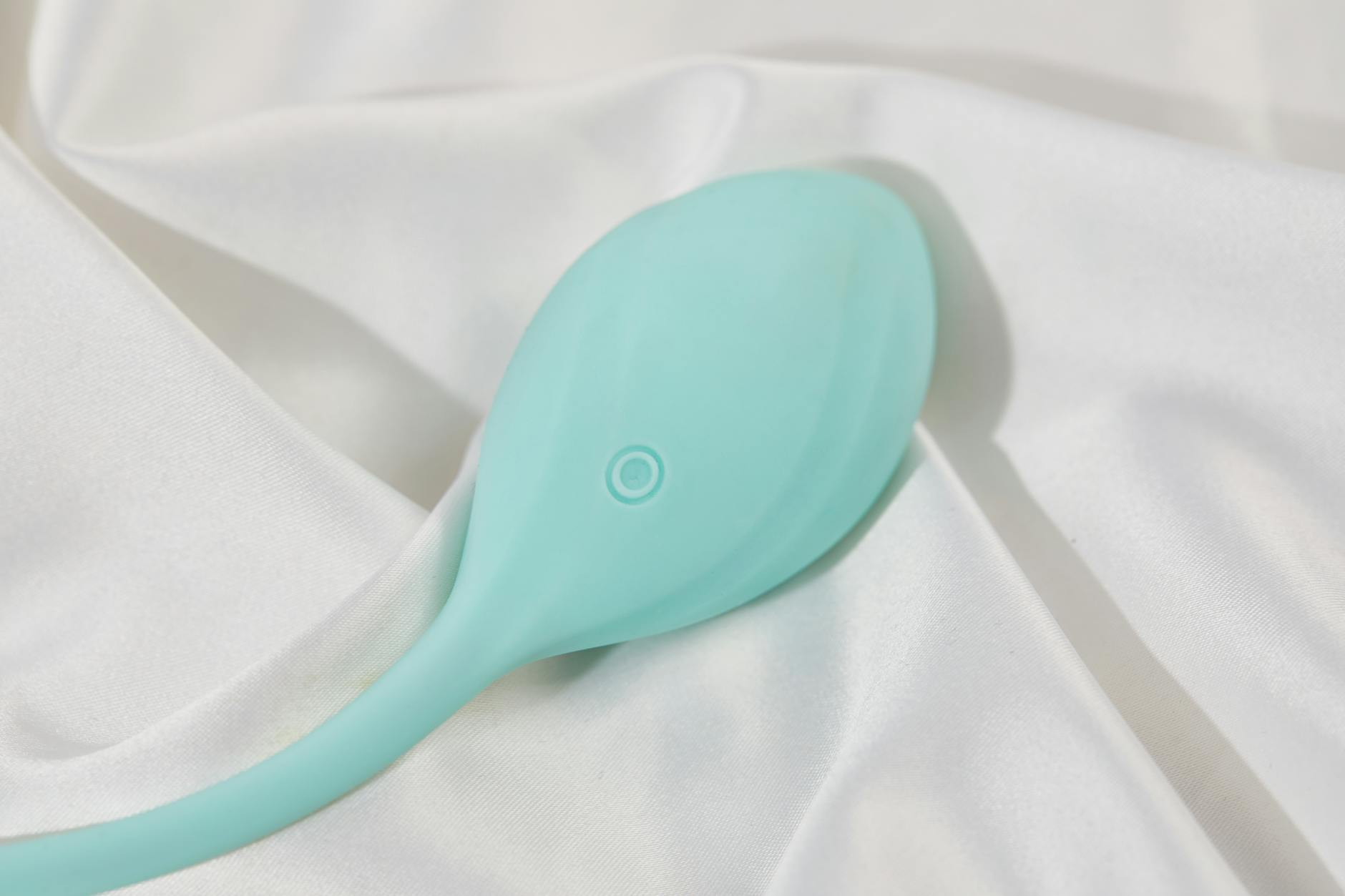
How to Start Using Lemon Vibrators if You Have Vulvodynia or Chronic Pain
Chronic pelvic pain doesn't disqualify you from pleasure. Here's how lemon clitoral vibrators and smart pacing can work for sensitive, inflamed nerves.
Vulvodynia, interstitial cystitis, and other forms of chronic pelvic pain are wildly isolating. Part of that isolation is sexual. When everything down there hurts, the idea of adding vibration sounds laughable at best, impossible at worst. But here's what I've seen in my practice: the right approach with a lemon clitoral vibrator can actually help, not harm.
I'm not saying vibration cures chronic pain. It doesn't. What I'm saying is that thousands of people with vulvodynia, neuropathy, and pelvic floor dysfunction have found orgasms through lemon vibrators when they thought they'd lost that part of themselves. The key is understanding your nerves, respecting inflammation cycles, and picking a tool designed for gentleness.
When you have vulvodynia or similar conditions, the nerves in your pelvic region are essentially stuck in a state of high alert. They're firing pain signals even when there's no actual tissue damage happening. It's like your nervous system has the volume turned up to eleven.
This is crucial: that sensitized state doesn't mean your clitoris has stopped working. It means the nerves are overwhelmed. What you need is stimulation that doesn't add to that overwhelm.
Traditional vibrators often use aggressive patterns and intense friction. Even on the lowest setting, many wands create percussion that can feel like poking a bruise. A lemon sucker, by contrast, uses gentle suction instead. That distinction is everything. Suction moves fluid and tissue differently than vibration alone. It engages deeper nerve clusters without the surface irritation.
Think of traditional vibration like knocking on a door repeatedly. A lemon clitoral vibrator works more like a gentle squeeze.
The Lem and other lemon sucker designs create a soft seal and rhythmic pressure that mimics manual stimulation without the inconsistency or pressure variations that can trigger flare-ups. Because you're not pressing directly on the most inflamed area, you're reducing the chance of that post-pleasure soreness that makes many people with vulvodynia avoid pleasure entirely.
For people with pelvic floor dysfunction, this matters doubly. Aggressive vibration can cause involuntary clenching. The lemon sucker's gentler approach often allows the pelvic floor to stay more relaxed, which means less pain during and after.
This is where most people with chronic pain mess up. They either avoid pleasure entirely (understandable, but isolating), or they push too hard, trigger a flare-up, and then avoid pleasure for months.
Here's how I recommend building tolerance safely:
Week 1-2: No-touch exploration. Don't use the lemon vibrator yet. Just spend 10-15 minutes in a relaxed state (warm bath, soft music, no pressure) with your hand near the area, noticing sensation without judgment. This calms the nervous system and establishes a baseline.
Week 3: Lowest setting, 3-5 minutes maximum. Turn on the lemon vibrator at pattern one (typically the gentlest suction). Don't expect sensation or pleasure. Just let your nervous system meet this new input. Stop after 5 minutes. If you feel okay the next day, that's a win.
Week 4: Same intensity, 5-10 minutes. If flare-ups didn't happen, increase duration only. Not intensity.
Week 5+: Add intensity if ready. Only after your body signals it's ready. This might take months. That's normal.
The goal isn't pleasure on a timeline. It's nervous system safety and gradual trust-building.
Flare-ups are the feedback mechanism. If you experience increased pain, burning, or soreness in the hours or days after using a lemon vibrator, you've hit your current ceiling. That's not failure. That's data.
Back off intensity or duration by 50%, wait a week, then retry. Your nervous system is relearning that sensation can be safe. That takes repetition.
One thing I tell my clients: pleasure for chronic pain bodies isn't about intensity. It's about consistency and gentleness. A lemon clitoral vibrator on low for 10 minutes, three times a week, might feel more effective over time than occasional aggressive sessions.
Many people with vulvodynia benefit from pelvic floor physical therapy. If you're doing that work, your PT can actually help you integrate a lemon vibrator safely.
They can show you how to use suction patterns alongside relaxation breathing, which calms the nervous system further. Some people find that using the Lem on a low setting while practicing deep belly breathing helps retrain the pelvic floor away from defensive clenching.
This isn't a substitute for therapy. It's complementary.
If you're experiencing vulvodynia, ask about topical treatments like lidocaine cream or low-dose compounded estrogen. These can significantly reduce baseline inflammation, which makes pleasure exploration less risky.
Some people also benefit from low-dose tricyclic antidepressants or gabapentin, which calm the overactive nerve signaling. This isn't about treating depression. It's about desensitizing nerves.
A vulvodynia-informed provider can also rule out other contributors like yeast, bacterial imbalance, or contact dermatitis. Sometimes pain that feels intractable is actually addressable.
Then, once you've treated the underlying inflammation, the lemon vibrator becomes more than a workaround. It becomes a genuine pleasure tool.
Let's be honest: chronic pain makes you angry at your body. Adding sex to that mix can feel like asking your body for something it's already denied you. That resentment is valid and also gets in the way.
Before you use a lemon clitoral vibrator, you might benefit from reframing the experience. This isn't about proving you're still sexual. It's not about meeting anyone's expectations, including your own. It's about exploring what's possible right now, in this moment, with this body.
That mindset shift alone can reduce performance anxiety, which reduces pelvic floor tension, which makes pleasure more accessible.
If you're partnered, talk before exploring. Let them know you're doing this for you, on your timeline, with no pressure to perform or report back. That boundary protects your autonomy and your nervous system.
Possibly, if you start too aggressively or don't respect your pacing. That's why the slow-build approach matters. The good news: because lemon sucker design is gentler than traditional vibration, the risk is lower. Many people with vulvodynia tolerate them better than wands or bullets.
This varies widely. Some people feel sensation within weeks. Others take months or longer. The timeline depends on your baseline inflammation, nervous system sensitization, and consistency. Aim for patience over speed.
Absolutely. Even if lubrication isn't a problem, adding a water-based lube creates a smoother seal and reduces friction between the silicone and your skin. This matters more with chronic pain, not less.
It depends on your individual pain cycle. Some people experience increased nerve sensitivity during menstruation. Others don't. Track your pain levels and plan lemon vibrator use during your lowest-pain window of the month.
Yes. A vulvodynia-informed provider can help you integrate pleasure exploration safely alongside any medical treatment you're receiving. They're not there to judge. They're there to support your whole-person healing.
Then you pause and consult your provider. Some people with severe neuropathy or central sensitization may not tolerate vibration at any intensity. That doesn't mean you're broken. It means lemon vibrators aren't your tool, and that's completely valid. There are other paths to pleasure.
Chronicpain, especially in your genitals, is a grief. You're grieving the body you thought you had, the sexual life you expected. That grief is real and worth honoring.
But chronic pain doesn't have to mean the end of pleasure. It often means a different kind of pleasure. Slower. Gentler. More intentional. For many people, that turns out to be better.
A lemon sucker isn't a magic fix. It's a tool that meets sensitive, inflamed tissue with the gentleness it deserves. Combined with pacing, professional support, and radical patience with yourself, it can open a door you thought was locked.
Your pleasure matters. Not in spite of your chronic pain. Right alongside it.