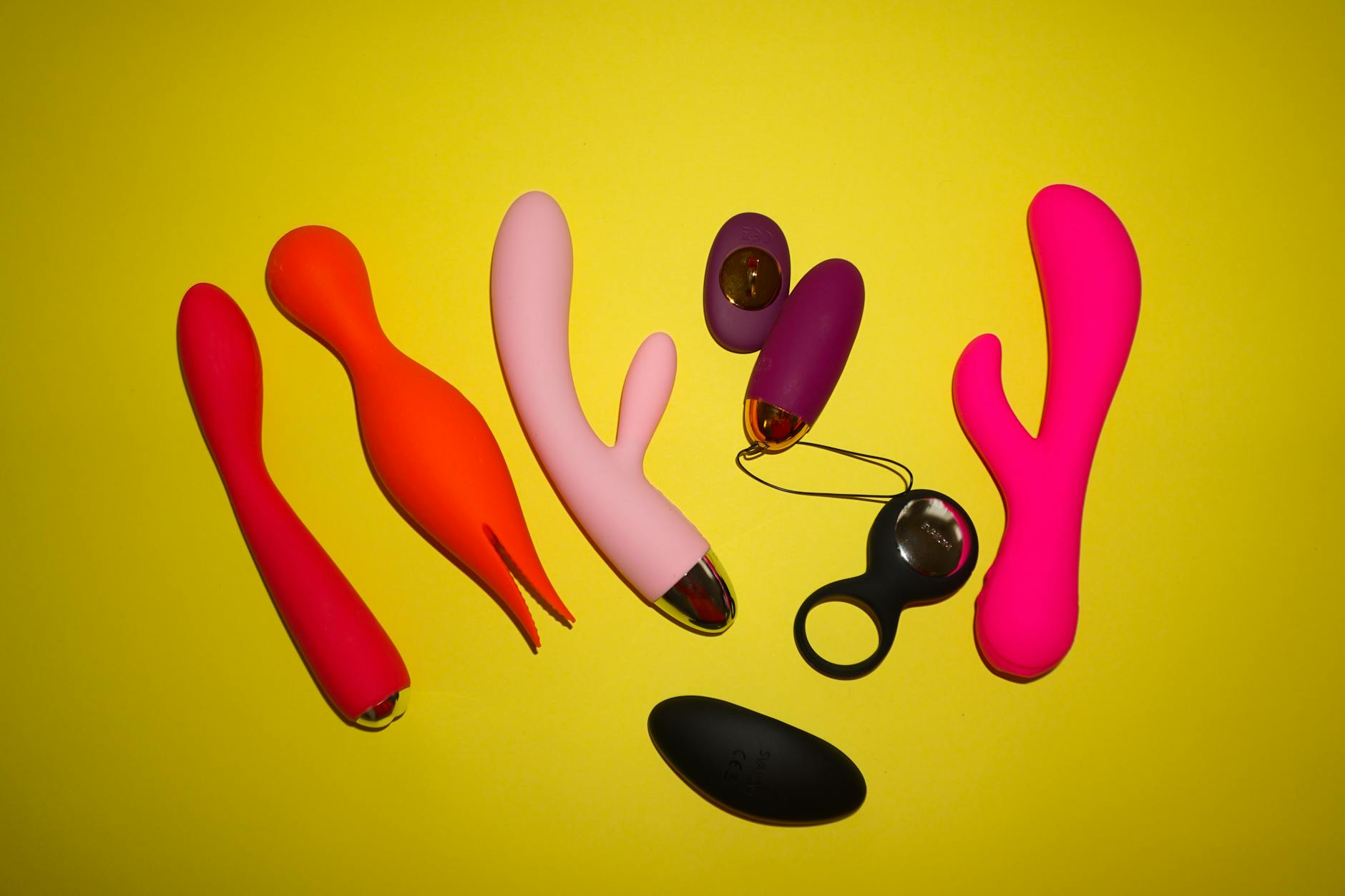
Your nervous system spent years syncing to someone else. Their touch, their timing, their presence. When they're gone, your body doesn't just miss them. It forgets how to respond on its own. Pleasure feels strange because it is. You're not broken. You're just learning to pleasure yourself again without someone else's rhythm dictating the pace.
Rebuild solo pleasure after breakup by starting small and giving yourself grace. A lemon vibrator is genuinely one of the best tools for this because it's gentler than wands, more forgiving if you're out of practice, and designed to work with your body rather than push it. Here's how to use it as part of your healing.
When you've been in a long-term relationship, your body learns patterns. Arousal happens because of your partner's touch, their voice, their presence nearby. Your nervous system literally gets rewired around their availability. When they disappear, that neurological pathway doesn't just get erased. It goes quiet.
That quietness can feel like a loss of desire. It's not. It's your body waiting for the familiar trigger. Rebuilding pleasure alone means teaching your nervous system that you're a valid source of arousal now. That takes practice, patience, and something that works with sensitivity rather than against it. A lemon clitoral vibrator does exactly that.
The biggest mistake people make after breakup is jumping straight to performance mode. They want to prove they still work. They want the orgasm to mean something. It doesn't have to yet. Your first job is just sensation.
Set aside 20 minutes when you won't be interrupted. No pressure for an outcome. Light the room how you want it. Temperature matters more than you'd think. If you're cold, your pelvic floor tenses. If you're hot, you can actually breathe.
Touch your own body first, before the lemon vibrator. Your hands. Your thighs. Your collarbone. Reintroduce yourself to yourself. Notice what feels good without performance. This is awkward the first time, and that's okay. Awkwardness means you're trying something new. That's growth.
A lem vibrator uses gentle suction rather than intense vibration. This matters for someone rebuilding confidence because there's less pressure on the clitoris. You're not fighting sensation. You're building it.
Start on the lowest setting. Pattern 1. Hold it barely touching. You're looking for a hum of feeling, not a jolt. Many people who've been out of practice expect vibrators to feel like something big immediately. It doesn't work that way. Build slowly. Stay on low for 5 to 10 minutes. Let your body wake up.
Move it slightly. Small circles. Tiny up-and-down motions. You're learning what your clitoris responds to now. It might be different than before. That's normal. Bodies change. Sensitivity shifts. Nerve endings rewire. Your pleasure map after a breakup is genuinely new.
Most post-breakup people struggle not with mechanics but with guilt. You're supposed to be sad. You're not supposed to be having pleasure right now. You're being selfish. Your ex wouldn't approve. This is pathological thinking, but it's real, and it kills arousal every single time.
Give yourself explicit permission before you start. Say it out loud if it helps. "My pleasure is mine. My body deserves to feel good. This is healing, not betrayal." If you can't say it, write it. The specificity matters because your brain needs to hear that pleasure right now is an act of self-care, not selfishness.
If shame comes up while you're using a lemon clitoral vibrator, pause. Breathe. Notice the shame without judgment. Then ask: whose voice is that criticism coming from? Usually it's not yours. You've inherited it. Recognizing that breaks its power.
Once you've spent a few sessions just feeling, you can play with patterns. The beauty of a lem vibrator is there are multiple intensity levels and patterns. Pattern 2 feels different than pattern 1. Pattern 3 is stronger still. Your clitoris responds to variety. Your nervous system learns that pleasure isn't one fixed thing.
Try this: spend five minutes on pattern 1. Then shift to pattern 2 for another five. Let your body adjust to the change. Notice when arousal starts building. It might be minutes in, or it might be 15 or 20 minutes in. There's no timeline. Your body gets to set the pace now.
Some days you'll want slow and gentle. Some days you'll want intensity. Both are valid. The point is you're choosing. Not following a partner's preference. Not performing for anyone but yourself.
Orgasm after breakup can feel weird. Emotionally intense. Sometimes too fast. Sometimes impossibly slow. Some people cry. Some feel nothing and panic that they're broken.
You're not broken. Your body is healing. Orgasm is just one type of pleasure. Build the habit first of touching yourself, using your lemon vibrator, feeling sensation without outcome. The orgasm comes back when your nervous system feels safe again. It might take weeks. It might take months. Neither is wrong.
If you do orgasm, let it be simple. Enjoy it. Don't turn it into a metaphor for your recovery. You're not proving anything. You're just feeling good. That's enough.
People who rebuild pleasure successfully aren't waiting for the perfect moment. They're building it into their regular rhythm. Twice a week. Sunday mornings. After a shower when your skin is warm. Consistency helps your nervous system learn that pleasure is available now. Regularly. Reliably.
Store your lemon vibrator somewhere you'll see it. Not hidden away like shame. On your nightstand. In your drawer. You're training your brain that self-pleasure is normal, regular maintenance of your well-being. Because it is. A lemon vibrator makes that easier because it's designed for exactly this: consistent, gentle pleasure you can return to again and again.
Even after you've rebuilt solo pleasure, old voices creep in. You'll be touching yourself and suddenly feel guilty. Selfish. Like you're wasting time you should spend grieving or moving on.
That's not wisdom. That's programming. Pleasure and grief live in the same body. You can be both sad and horny. Both heartbroken and seeking sensation. Both recovering and already healed in certain moments. Those contradictions are true at the same time.
When shame shows up, name it. Don't fight it. "This is shame. It's not facts. I'm allowed to feel good." Then keep going with your lemon vibrator, your time, your body. The shame gets quieter the more you insist on your own pleasure.
It varies wildly. Some people feel responsive again in days. Others take weeks or months. The length depends on how long the relationship was, how much of your identity was wrapped up in it, and how much you're grieving versus how much you're ready to move forward. The timeline is yours. Don't compare it to someone else's recovery speed.
There's no too soon. If your body wants to feel pleasure, that's not disrespecting the relationship you just ended. That's honoring your own aliveness. Some people use a toy the same day they break up. Some wait months. Both are fine. Listen to what your body actually wants, not what you think it should want.
That's completely normal. Your nervous system is waking up. All kinds of feelings get stored in your pelvic floor and your pleasure responses. Arousal, grief, sadness, relief, loneliness. They're all connected. If you cry, you're releasing something. Let it happen. Grab tissues. Keep going if you want to. Or stop and rest. Your body will tell you what it needs.
No. Solo pleasure and partnered pleasure are different things that can both exist in your life. Using a lemon vibrator to rebuild confidence and reconnect with sensation actually makes you better at partnership later because you know what you want. You're not dependent on someone else's touch to feel alive. You understand your own body first. That's not selfish. That's the foundation of healthy intimacy.
You get to choose. There's nothing shameful about it, so you don't owe anyone secrecy. But you also don't owe anyone that information if you're not ready to share it. If the question comes up naturally and you want to be honest, you can say, "I used self-pleasure as part of rebuilding after my breakup." If it doesn't come up, you don't have to volunteer it. Your sexual history is yours to disclose on your own terms.
Yes. A lemon clitoral vibrator isn't about forcing desire. It's about checking in with sensation without pressure. Some people discover that pleasure comes back gradually. Some people discover they're asexual and that's fine too. The tool is just there for exploration. Use it as much or as little as you want. If the answer is not at all, that's a valid outcome too.
Breakup recovery isn't linear. Some days you'll want to use a lemon vibrator and reconnect with sensation. Some days you'll want to grieve. Both matter. Both are part of healing.
Your pleasure is yours now. Not negotiable. Not dependent on anyone else's presence or approval. A lemon vibrator is just a tool that makes it easier to access what was always yours to begin with. Your body. Your sensitivity. Your right to feel alive.
When you're ready to explore this, Hello Nancy's lemon vibrators are designed exactly for this kind of gentle rebuilding. Start whenever you are. Your timeline is the only one that matters.