Let's talk about the slowdown nobody warns you about
Somewhere around 40, arousal stops sprinting. That's not fiction, not a personal failing, and not something you fix with more foreplay. It's your nervous system recalibrating.
Pleasure After 40
Arousal doesn't get faster after 40. But pleasure does get richer, deeper, and worth the wait. Here's how lemon clitoral vibrators fit into that shift.
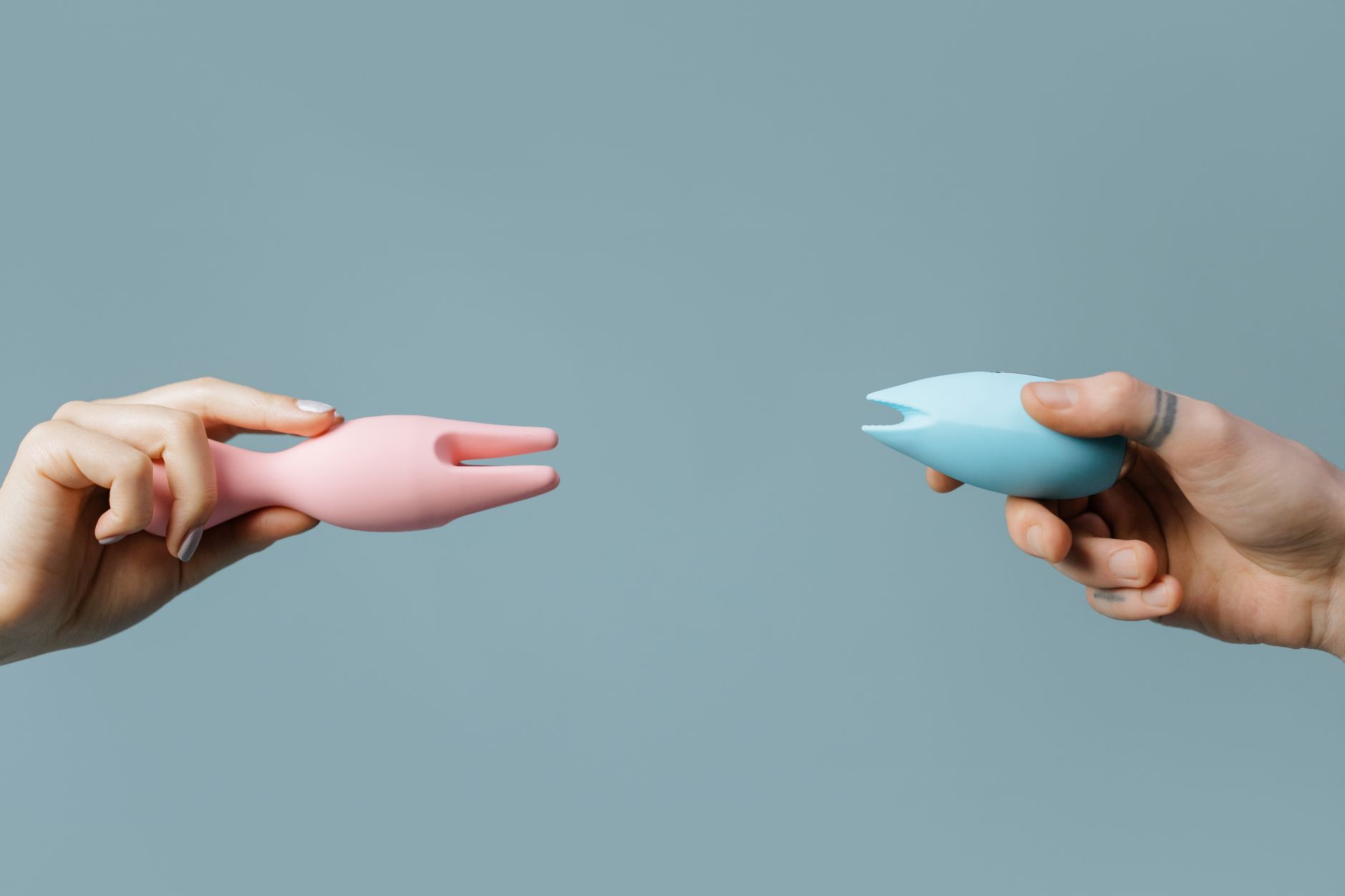
Somewhere around 40, arousal stops sprinting. That's not fiction, not a personal failing, and not something you fix with more foreplay. It's your nervous system recalibrating.
The problem is that most people interpret slowness as loss. You touch yourself or your partner touches you, and instead of that quick spark you remember from your twenties, there's... a gentle build. Sometimes it takes 15 minutes just to feel warm. And the immediate thought is: "Something's broken."
It's not. Your pleasure architecture is actually upgrading.
Here's the physiology without the drama. After 40, several small shifts happen together. Hormonal fluctuations (even if you're not in menopause, your hormones are shifting) mean the clitoris gets less immediate blood flow. The nervous system doesn't fire as quickly in response to touch. Recovery time between potential orgasms gets longer.
The cultural shock is real: you're used to a body that responded immediately, and now it doesn't. That gap between what you expect and what you feel? That creates anxiety. And anxiety literally tightens everything, which slows sensation even more.
But here's what's actually happening underneath: your capacity for subtle sensation increases. You start feeling textures and pressures you would have raced past at 25. Your orgasms, when they come, are often more complex. Different. Sometimes better.
Honestly, half of the "slowdown" after 40 isn't about your body at all. By 40, you've probably had enough sex to know when you're faking it. You've had partners who weren't right for you. You might be managing stress about aging parents, work, finances, or relationships. You've lived enough to have real boundaries.
That boundary-setting is healthy. But it also means you're not going to snap into arousal just because someone touches you. You need consent from yourself first. You need to feel actually safe, not just physically but emotionally. You need to know the touch is coming from someone who wants your real pleasure, not a performance of it.
Most of what slows sensation after 40 is that you've stopped ignoring what isn't working.
Lemon vibrators work with the arousal slowdown rather than against it. Here's why they're particular useful after 40:
First, they bypass some of the wait. Instead of relying on your nervous system to build sensation gradually through touch alone, a lemon clitoral vibrator introduces consistent stimulation that doesn't require your body to warm up first. You don't have to prove arousal to yourself for 15 minutes before pleasure arrives. The vibration meets your body where it is.
Second, they give you control over pacing. You can start with low, slow stimulation and stay there. Many people after 40 find that lingering in the early arousal phase, rather than pushing toward orgasm, becomes the main event. A lemon sucker like the Lem lets you explore that zone without pressure to move forward.
Third, and this is specific to how lemon vibrators are designed: suction-based stimulation works beautifully when blood flow is slower. It doesn't require the same intensity of direct friction that wand vibrators do. The sensation arrives differently. Less jarring, more spreading.
The biggest mistake people make is using lemon clitoral vibrators the same way they'd use them at 25. You won't. Here's what I recommend:
Start 10 minutes earlier than you think you need to. If you're partnered, this means foreplay begins before you've decided you're "ready." Sensation takes time to build, so give it time. You're not forcing arousal. You're creating conditions for it.
Use the Lem on lower settings first. Start at pattern 1 or 2. Your goal isn't to reach orgasm. Your goal is to feel the vibration and notice what sensations wake up. Some people after 40 find that gentle suction creates a rolling, almost meditative sensation that's entirely separate from goal-oriented stimulation.
Spend time in the building phase. This sounds obvious, but most people speed through it. After 40, the building phase is where the richness lives. Stay there for 10 or 15 minutes. Let your body adjust. Let your mind settle. Arousal doesn't have to sprint to be real.
Use lube, even if you don't think you need it yet. Sensation builds slower, which means you might not feel the subtle dryness that's beginning. Water-based lubricant (always water-based with silicone lemon toys) helps the Lem glide and changes the sensation profile entirely. It also removes the friction barrier that slows arousal.
Stay with lower intensity longer. You don't have to work toward higher settings. Many people after 40 find that patterns 2 through 4 deliver more pleasure than full-blast settings. Intensity doesn't equal better. Resonance does.
If you're using a lemon clitoral vibrator with a partner, the slowdown after 40 often surfaces relationship dynamics that have been sitting quietly for years. Your partner might interpret slow arousal as lack of desire for them. You might feel pressure to speed up, which tightens everything further.
The conversation to have is simple: "My body takes longer to warm up, and that's normal. I'm not less interested. I'm just wired differently now. Let's build time in." That shift from "something's wrong" to "this is what works now" changes everything.
If your partner is also over 40, you're both likely experiencing shifts. You might find that slow, long foreplay becomes what you both want, not what anyone's forcing. Many couples in their forties and fifties report that their longest, most connected sessions come after they stopped trying to recreate younger dynamics.
Here's what nobody talks about: after 40, if you can get past the anxiety about the slowdown, arousal often becomes steadier. It's not the spike-and-crash of younger years. It's a sustained elevation that can last hours. You might find that using a lemon vibrator in the afternoon, then returning to it in the evening, creates a kind of continuous low-level arousal that's incredibly rich.
Some people describe it as more meditative. Some describe it as more full-body. The clitoris isn't the only thing responding anymore. Your whole system wakes up differently.
The key is accepting that it's slower. Resisting the slowdown is what creates the problem.
No. Sensation building slowly and sensation fading are completely different things. Slower arousal usually means your nervous system is being more discerning. Many people after 40 report heightened sensitivity to texture, pressure, and subtle changes. Your body isn't numb. It's being more selective.
Many antidepressants slow arousal. If that's happening, a lemon clitoral vibrator can help by introducing external stimulus that your nervous system might respond to more readily than touch alone. But if sensation is genuinely absent (not slow, but completely flat), that's worth discussing with your prescriber. Sometimes a medication adjustment or timing change helps. Sometimes the lemon vibrator becomes part of how you rebuild sensation.
There's no standard. Some people after 40 need 10 minutes. Some need 25. Some need 45. The goal isn't to reach arousal by a certain time. The goal is to follow your actual arousal, not the timeline you think you should be on. If you're using a lemon vibrator and sensation is building, that's the right pace, regardless of how long it takes.
Completely normal. Orgasms after 40 often take longer to arrive and sometimes feel different when they do. Stronger but slower, or more diffuse. Some people find they orgasm more easily with a lemon vibrator than without one, specifically because the consistent stimulus helps bridge the longer arousal time.
Both work. Solo use lets you explore your own pace without any pressure or performance dynamic. Partner use can work beautifully if your partner understands that the vibrator isn't replacing them. It's changing the equation so you can arrive at pleasure together. Some couples find that one partner uses the lemon vibrator while the other provides touch elsewhere. Some use it together during partner sex.
That's worth exploring with a healthcare provider. Slowness is normal. Complete flatness isn't. Sometimes it's medication, sometimes stress, sometimes a sign that something else is going on. But most of the time, when sensation doesn't build, it's because there's something in the environment or the relationship that doesn't feel safe. That's not a lemon vibrator problem. That's a context problem.
Your body after 40 isn't broken. It's different. A lemon clitoral vibrator works because it meets that difference head-on, rather than fighting it. Slow arousal isn't a bug. It's a feature of a nervous system that's become more discerning, more capable of depth, more interested in real sensation instead of performance.
If you're struggling with how long arousal takes now, start by removing the timeline. Use a lemon vibrator because it feels good, not because it's supposed to fast-track you anywhere. Stay in the building phase. Notice what actually feels rich instead of rushing toward the finish.
The pleasure you're looking for after 40 isn't faster. It's deeper. Your body knows the difference. The question is whether you're willing to follow it.