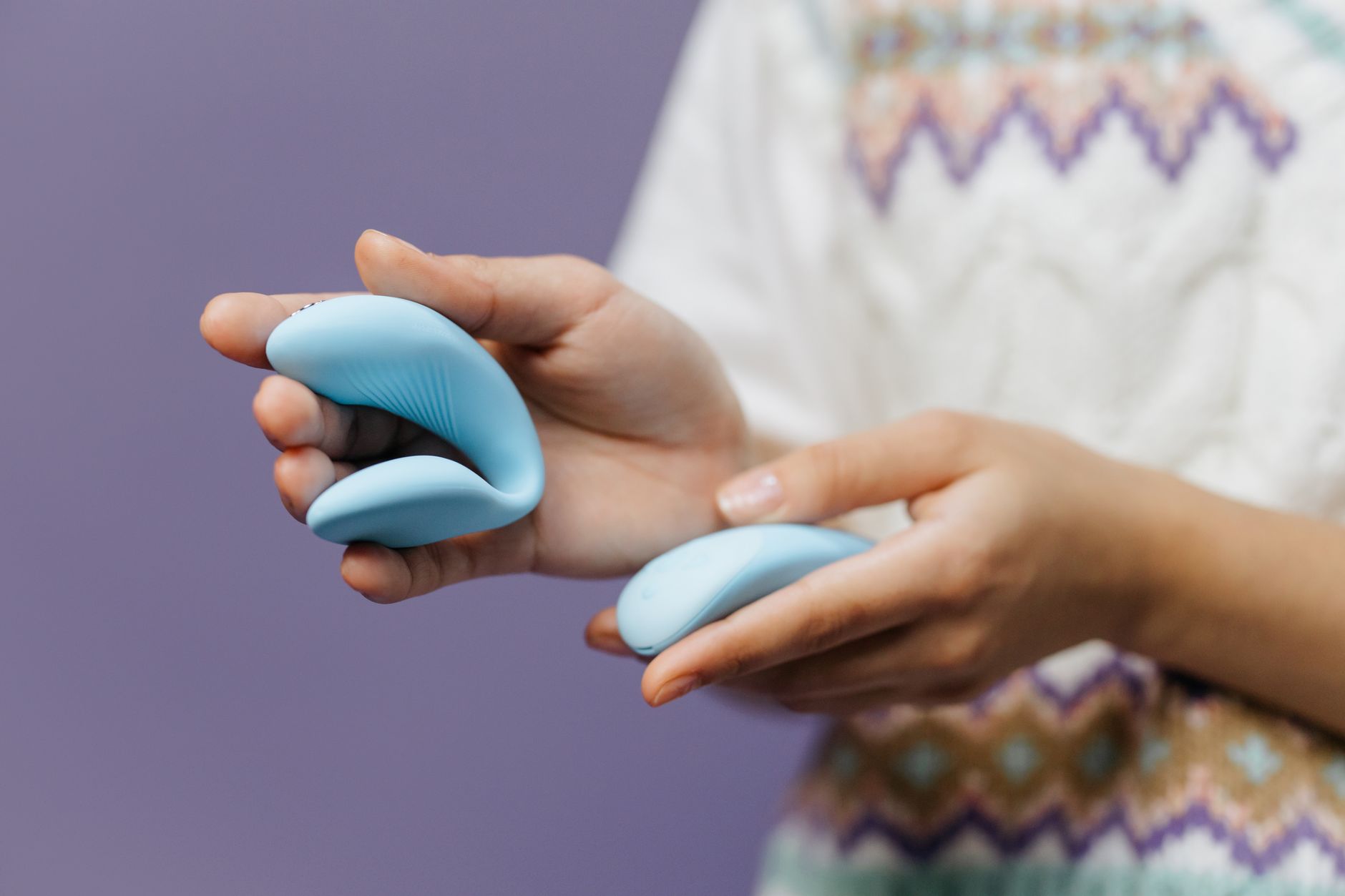
How to Use a Lemon Vibrator When Sex Feels Obligatory Not Pleasurable
When intimacy becomes a checkbox instead of an experience, a lemon vibrator can help you remember what desire actually feels like. Here's how to restart that conversation with your body.
Let's be real. You know the feeling. Your partner reaches for you, and instead of that spark of anticipation, you feel... obligation. Dread, even. You go through the motions because you love them, because you're supposed to, because it's been too long and you don't want to hurt their feelings. But pleasure? That's not part of the equation anymore.
This is one of the most common things I hear in my practice, and it's almost never about the relationship being broken. It's about desire being buried under resentment, stress, or simple disconnection from your own body. A lemon vibrator can't fix the underlying issue alone, but it can do something powerful: it can remind you what pleasure feels like when there's zero pressure.
Here's the cycle nobody talks about. Sex starts to feel mandatory. Your brain reads it as a task, not a reward. Task-mode sex releases stress hormones, not pleasure hormones. So the next time your partner initiates, your nervous system is already braced for work, not relaxation. Over weeks or months, your body literally forgets how to respond to arousal cues. You might feel touch and register it neurologically, but emotionally it lands as "not now, I'm tired."
The kicker: this isn't low libido. This is your nervous system protecting you from something that feels like an obligation. Your body is telling the truth your brain hasn't admitted yet.
A lemon clitoral vibrator changes the equation because it's not about performance or timing. It's about direct, controllable stimulation that bypasses the "should" and goes straight to sensation.
Three reasons this specific tool helps when sex has become obligatory:
1. Solo pleasure has zero agenda. When you're alone with a lemon vibrator, there's no one to perform for, no timing to match, no worry about whether your partner is satisfied. Your only job is to notice what feels good. That's revolutionary after months of obligatory sex.
2. Air-suction technology (the defining feature of lemon vibrators) retrains your nervous system. Traditional vibrators can numb you faster if you're already disconnected. A lemon vibrator uses gentle suction pulses that work with your body's natural response instead of overwhelming it. You feel the sensation more clearly, which helps reconnect you to pleasure.
3. You control the intensity completely. Unlike partnered sex where rhythm and pressure depend on someone else's experience, you can start at pattern 1 and stay there for as long as you need. No apologies, no acceleration just because your partner is ready. This autonomy alone can shift your relationship with pleasure.
Before anything else, here's what matters: this is not cheating on your relationship. This is therapy for it. You're rebuilding your own capacity for pleasure so you can eventually share it again, if that's what you want.
Set aside 20 to 30 minutes when you're truly alone. Phone away. Not right before bed (you'll fall asleep). Not when you're already stressed about something else. Pick a time when you have actual permission to be selfish.
Start without the lemon vibrator. This sounds like extra work, but it's essential. Lie down and notice what happens in your body when there's zero expectation. Where do you feel tightness? Where do you feel breath? Your nervous system is telling you exactly where it's defended. Spend five minutes just noticing.
Then introduce the vibrator on the lowest setting. Not on the clitoris immediately, but around the outer area. Let your body meet the sensation instead of chasing it. Patience here is not wasted time. It's rebuilding trust between your brain and your body.
Here's what often comes up when people start using a lemon vibrator to reclaim pleasure after obligatory sex has taken over. Grief. Anger. Sometimes both.
You might feel sad about the months or years where sex became a chore. You might feel resentful toward your partner for not noticing, or toward yourself for not speaking up sooner. These feelings are real and they matter. Don't skip over them by just focusing on the vibrator.
In fact, this is the moment to have a separate conversation with your partner if you're in a relationship. Not during sex. Not as a complaint. But something like: "I've noticed sex has felt obligatory to me, and I'm working on reconnecting with pleasure on my own first. I need you to know this isn't about you." Then actually let them know what you need. Space? A pause on initiating? A different time of day? Be specific.
You'll know you're ready when solo pleasure starts feeling less like a chore and more like something you actually want. That might take weeks. That's normal.
When you do want to introduce a lemon vibrator into partnered sex, the move is simple: use it solo first during partnered sex. Let your partner be present, but not managing the vibrator. This keeps your nervous system in control and prevents the pleasure from feeling like another thing you're supposed to perform.
Start with your partner outside the bedroom entirely. Tell them what you've been noticing. Tell them you want to use a lemon vibrator because it helps you feel more sensation, and you'd like them present while you explore it. Make it an observation, not a criticism of them.
The first time you use it with a partner watching, don't expect to orgasm. Seriously. The goal is to show them what turns you on when you're in charge of it. That data is valuable. Your partner gets to witness your body when it's not performing for them. That's actually incredibly connecting, if you let it be.
Using a lemon vibrator to reclaim pleasure is powerful, but it's not a substitute for couples therapy if the obligatory-sex feeling is rooted in deeper disconnection.
If the issue is resentment about emotional intimacy, unequal household labor, or feeling unseen in the relationship, a vibrator won't fix that. It can help you remember what pleasure feels like, which is step one. But step two is addressing why intimacy stopped being mutual in the first place.
Similarly, if you're using a lemon vibrator to avoid conversations you need to have with your partner, that's a warning sign. Pleasure is important. But it's not more important than honesty.
After a few weeks or months of solo exploration with a lemon vibrator, something usually shifts. Pleasure starts to feel like something you're choosing again, not something happening to you. Your body relaxes. Your nervous system learns that arousal is safe.
Then, and only then, partnered sex can feel different. You're not going into it depleted. You're not negotiating whether you want to. You're coming back to it because your body remembered why it wanted to in the first place.
This doesn't always mean your relationship goes back to how it was. Sometimes it means you decide you want something different. But at least you're making that choice from a place of genuine desire, not obligation. That's the whole point.
Obligation creeps in when there's a mismatch between what your body needs (rest, emotional connection, autonomy) and what the relationship demands (frequency, timing, a certain kind of response). Over time, your nervous system learns to brace for sex instead of anticipate it. Love doesn't protect against this. In fact, sometimes love makes it worse because you don't want to hurt your partner by saying no. Using a lemon vibrator solo helps because there's zero guilt attached.
Not necessarily. It's a sign that something needs to shift. That might be a conversation about frequency, timing, foreplay, or emotional connection. It might be therapy. But it could also just be a season where you need to rebuild your own relationship with pleasure first. A lemon vibrator can be part of that rebuild. The key is using it as a tool for communication, not as a replacement for honest talking.
Sometimes, yes. If you introduce it during partnered sex and it helps you feel more sensation, that can shift the whole experience. But using it to "get through" obligatory sex faster isn't sustainable. The goal is to reclaim pleasure enough that obligatory sex doesn't feel obligatory anymore. That takes time.
That's worth exploring with them separately. A lot of people worry that a vibrator means they're not enough, or that their partner is losing interest. Reassure them: this isn't about them. It's about reconnecting with your own body in a low-pressure way. If their insecurity persists, couples therapy is worth considering because it points to deeper trust issues that a vibrator can't solve.
You'll feel it. When solo pleasure stops feeling like homework and starts feeling like something you genuinely want to do, you're ready. That might be after three weeks or three months. There's no schedule. When your body is saying yes on its own, that's the signal to invite your partner into that discovery.
That's important information. It means the issue is less about sensation and more about the relationship dynamic itself. That's not a failure. It just means you need a different tool. A therapist, a tough conversation with your partner, or a decision about what you actually want from the relationship. A lemon vibrator is great at helping you reconnect with your body. It's not a fix for relational problems.
Obligation kills intimacy faster than almost anything else. The good news is that pleasure is recoverable. Your body hasn't forgotten how to want. It's just protecting itself. A lemon vibrator, used intentionally and without pressure, can help you remember what desire actually feels like. And once you remember, you get to choose whether you want to share that with your partner, or whether you want something different altogether.
That choice, made from a place of genuine sensation instead of obligation, changes everything.