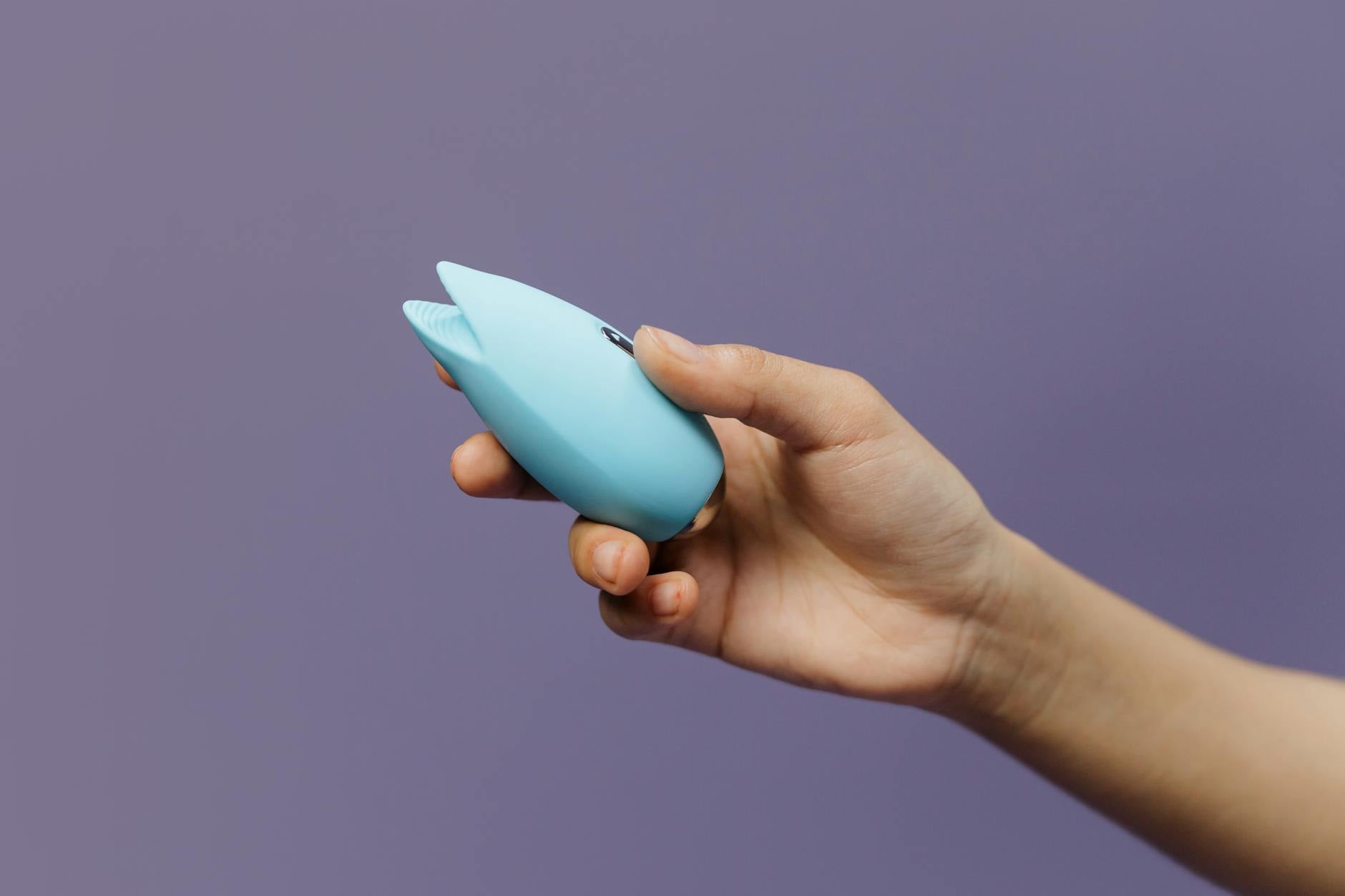
How to Use a Lemon Vibrator When You Feel Stuck in Performance Mode With Your Partner
When pleasure becomes a script you're reading instead of a feeling you're having. A relationship coach on breaking the cycle, reclaiming authentic desire, and why introducing a lemon sexual toy often does the work for you.
Performance mode is not a personal failure. It's a survival strategy that made sense once and stopped working. Maybe it started because you were young and didn't know your own body yet. Maybe a partner needed reassurance. Maybe you learned that your pleasure mattered less than keeping the peace. Whatever the origin, you're now stuck in a script where you're watching yourself have sex instead of having it.
Here's what performance mode actually looks like: you know what sounds and movements signal arousal, so you produce them on cue. You time your orgasm to match your partner's timeline. You monitor whether they're satisfied instead of tracking what you're feeling. You leave sex relieved it's over instead of nourished by it. You can have an orgasm and still feel fundamentally untouched.
The brutal part is that your partner often has no idea. From the outside, everything looks fine.
When you're in performance mode, your nervous system is in a different place than it was during authentic pleasure. You're managing an audience (even if that audience is just internalized), which means you're partly in your sympathetic nervous system. That's the fight-or-flight gear, the vigilant state. Genuine pleasure lives in the parasympathetic system. That's where you can relax.
This is not about your partner being the problem. It's about the mental load of performing. That load kills arousal. Your body literally cannot access the same depth of response when part of your attention is on whether you're doing it right.
Most of my clients in performance mode report that they feel more sensation during solo play than during partnered sex, even with a partner they love. That gap is the performance tax. The good news is that bringing a lemon clitoral vibrator into partnered sex often interrupts the performance script before your brain can fully activate it.
A lemon sucker like the Lem works differently in partnered sex than traditional vibrators do, and that difference matters when you're trying to break performance mode.
When you're using a penetrative vibrator or a wand during partnered sex, your brain has a clear narrative. You and your partner can still fall into a rhythm where you're managing the interaction, monitoring their response, keeping the energy flowing on schedule. The vibrator becomes part of the performance script.
With a lemon clitoral vibrator that uses air-pulse suction technology, you have something physically distinct. The sensation is localized, intense, and requires your full attention to track. You can't half-focus on it and monitor your partner at the same time. The intensity of suction stimulation on the clitoris demands presence. That forced presence is the interrupt you need.
More practically, the suction sensation feels novel enough that your brain can't run the old performance tape. You have to experience it fresh. That newness breaks the loop.
This is the tricky part, and it matters. If you bring a lemon vibrator into bed while still in full performance mode, you'll just add it to the script. "Now we have sex, and I use the vibrator, and it looks great." Still performing.
Instead, make the introduction about rediscovering solo sensation first.
Spend 2-3 sessions alone with the vibrator before your partner ever enters the picture. Not necessarily full solo play sessions, though those are fine. Just time where you're experimenting with what the suction feels like at different intensities, where you're noticing what patterns actually feel good versus what you think should feel good. This is research. Boring, unglamorous research.
Then, when your partner is in the room, use the vibrator with them present but with a different frame. Instead of "Now we're going to have sex and I'll use this," try "I've been exploring this vibrator solo, and I want you to see what feels good to me." That's not performance. That's information sharing.
Let your partner watch without needing to do anything. No simultaneous penetration yet. No integration into a larger sexual routine. Just your hand, your body, the vibrator, and their presence as a witness. This sounds awkward because it is slightly awkward at first. That awkwardness is actually the signal that you're stepping outside the performance script.
Don't frame this as "I've been faking it" or "I'm not happy." Both of those activate your partner's shame and defensiveness, which turns the conversation into managing their feelings instead of exploring yours.
Instead, name what's actually happening: "I've noticed I'm in my head a lot during sex, and I want to get back into my body. I'm going to be experimenting with slowing things down and paying attention to what actually feels good instead of what I think should happen. It might feel different for a bit, and that's on purpose."
That's not blame. It's not accusation. It's just a factual statement about where you are and what you're trying to shift. Most partners respond to clarity much better than they respond to crisis language.
If your partner resists or makes it about them, you've also learned important information. That resistance often shows you where deeper relationship work lives. That's when you might consider talking to a couples therapist before trying to fix the sex part.
When you stop performing, you might feel less sensation initially, not more. That sounds backward, but it makes sense. When you were in full performance mode, you had adrenaline. You were activated. Adrenaline feels like arousal if you're not paying close attention.
Authentic arousal is quieter. It builds slower. It feels more like warmth and wanting than like urgency. For people used to the adrenaline-rush version, this can actually feel like a downgrade the first few times. It's not. It's just different.
A lemon clitoral vibrator helps here because the suction stimulation is strong enough to cut through the subtler sensations and give you something obvious to track. You're not trying to detect whispers while still holding the performance script. You have a clear signal.
Most clients report that after about 4-6 weeks of consistent authentic solo play and introducing the vibrator to partnered time, the sensation baseline shifts. Boring authentic arousal starts to feel richer than adrenaline-based performance arousal ever did. That's when you know the loop is actually breaking.
Here's something counterintuitive: most partners don't actually want performance sex. They want to feel wanted. They want to know their partner is genuinely into what's happening.
When you step out of performance mode and into authentic response, your partner often feels that shift before they consciously register it. Your body relaxes differently. Your touch becomes less choreographed. You ask for what you want instead of trying to read their mind. You might take longer to warm up, which means more foreplay, which most partners find more intimate than performative sex.
If your partner does prefer the performance version, that's information about a different kind of relationship work. But most of the time, removing the performance actually deepens the connection.
If you've been in performance mode for years, there's often a deeper story underneath. Maybe you never learned to name your own desire. Maybe you were taught that your body was a thing to manage for others. Maybe there's unresolved trauma. A lemon vibrator is a tool that helps interrupt the pattern, but it doesn't do the deeper work.
Consider working with a relationship coach or sex therapist alongside the vibrator if you notice you're slipping back into performance mode repeatedly, or if naming authentic desire feels genuinely impossible. That's not a sign you're broken. It's a sign you need support for something that goes beyond the sex itself.
Reading guides like our buying guide can also help you understand which tools actually fit your specific needs and anatomy.
The first time you have partnered sex after genuinely stepping out of performance mode, it might feel disorienting. You might feel more vulnerable because you're not hiding anymore. You might have a quieter orgasm, or no orgasm at all, because you're not orchestrating the timing. That's all normal.
What usually happens next is that sex becomes something you want again instead of something you manage. Your partner often feels that shift too. The intimate quality changes. You touch each other differently. Conversations about sex stop being stressful and become curious.
A lemon clitoral vibrator doesn't fix a relationship problem, but it often becomes the object that symbolizes the shift from performance back into authenticity. The tool that let you practice feeling good without the script.
It can if you introduce it while still in full performance mode without shifting the frame. If you bring a lemon sexual toy to bed and the first time you use it is during partnered sex while you're managing the usual dynamic, yes, it becomes another prop in the performance. The key is using it solo first and changing how you talk about what it's for. When you separate the vibrator experience from the performance script, it actually interrupts anxiety rather than feeding it.
Performance mode specifically involves knowing what you're doing isn't authentic. You can feel yourself doing it. You're aware of the gap between what you're producing and what you're feeling. Low desire is different. You might not want sex at all, but if you do have sex, you're not performing it. You're just not interested. Performance mode is always accompanied by that sense of watching yourself.
It depends on the context and your relationship stability. If you've been faking every time and suddenly stop, your partner will notice. In that case, some version of the truth is necessary. You don't need to say "I faked it," which is shame-inducing for both of you. Try "I've realized I'm not tuned into my actual response, and I'm working on that. Things might feel different while I figure this out." If it was occasional and not the pattern, you might not need to make a confession. This is worth thinking through or discussing with a therapist first.
That's a different issue than partnered performance anxiety. If you're performing for an imagined audience even alone, that often points to internalized shame or beliefs about how sex "should" look. A vibrator can help you ground into sensation, but you might need therapeutic support to address the internal audience. That said, starting with solo play using something like a lemon clitoral vibrator is often the safest place to practice stepping out of the script because there's literally no one else there to perform for.
This is about how you frame it. If you introduce it as "I need this because you're not doing it right," yes, they'll feel inadequate. If you introduce it as "I'm learning what actually feels good to me, and I want to share that with you," it's different. The vibrator is about you discovering yourself, not about your partner's performance. You might also need to do some reassuring and some conversation about what inadequacy is actually about for them. That's a couples conversation, not a vibrator conversation.
It varies widely, but most people notice a real shift in 6-10 weeks if they're consistent with solo exploration and changing the partnered dynamic. Some people shift faster because the pattern was less entrenched. Some people take longer because deeper stuff comes up. There's no rush here. You're rewiring something that took years to build, so expecting it to shift in days isn't realistic.
Breaking performance mode is not about becoming a different person. It's about returning to a version of yourself that knows what she wants and isn't afraid to feel it. A lemon vibrator is just the tool that gives you permission to practice. The real work is letting yourself matter in your own sex life again.