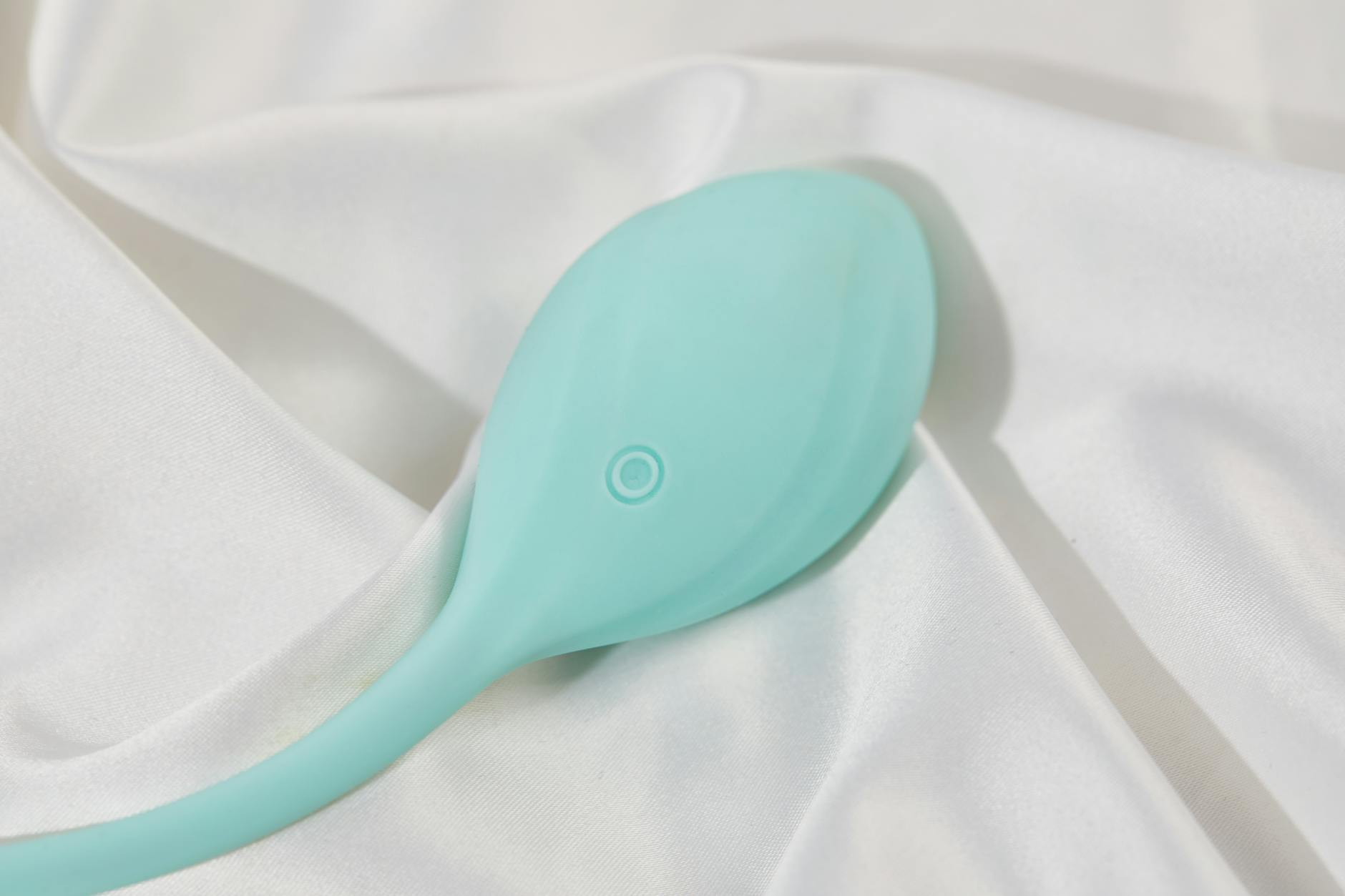
The same lemon clitoral vibrator creates two completely different experiences depending on whether you're alone or with someone. Here's what changes, and how to make the most of both.
A lemon clitoral vibrator feels different depending on who's in the room. Not different good or bad, just wildly different in the best possible ways. When you're solo, you get full control, complete permission, and zero performance pressure. When your partner is there, the dynamic shifts. Suddenly it's not just about your pleasure anymore. It becomes part of the relationship texture.
When you're alone with a lemon clitoral vibrator, your brain has permission to go wherever it wants. No eye contact to navigate. No wondering if your partner is comfortable. No managing anyone else's arousal or timing. This mental freedom alone changes everything.
Your nervous system can focus entirely on sensation. A lemon sucker device like the Lem works by creating patterns of suction and stimulation that build over time. Solo, you can spend forty minutes exploring a single pattern on setting two. Or jump between settings five times in three minutes. Or stop, rest, and start again without explanation. That's not laziness. That's exploration. That's actual research into what your body wants.
The orgasms that come from solo play often hit differently too. They're not performed for anyone. They're not racing toward a finish line that might not even exist for your partner. They just unfold. Some of my clients report that their strongest orgasms come from solo sessions with a lemon vibrator specifically because there's zero outside narrative attached.
There's also the practical reality: you get to learn your own body first. If you understand how you respond to different patterns, speeds, and pressure points on your own, you're bringing actual data to partnered play later. That's the opposite of selfish. That's preparation.
The moment someone else enters the room, the equation shifts. Suddenly you're managing multiple forms of arousal, desire, and timing. You might feel self-conscious. You might feel rushed. You might feel like you need to perform a version of pleasure rather than experience the real thing.
But here's what I've seen happen repeatedly: when both people understand that a lemon vibrator isn't a replacement for them, it becomes a tool that actually deepens intimacy. It's not about the vibrator doing the work. It's about two people collaborating on something that feels good for both of them.
Some couples use a lemon clitoral vibrator because the partner's hand or tongue isn't creating the exact sensation needed that day. Maybe your partner's jaw is tired. Maybe you need something stronger than they can physically provide. Maybe you want a specific rhythm they can't quite hold. The vibrator fills a gap that has nothing to do with attraction or connection. It fills a mechanical gap.
Other couples use it because partnered sex doesn't typically result in orgasm for the person with a vulva, so the vibrator becomes a way to make sure everyone finishes. That's not compensation. That's inclusion.
And some use it because the person with a vulva comes more easily alone than with a partner, and they've decided that's totally fine and not worth shame or pressure. The vibrator helps them get there in a partnered context without making it weird.
Let's be real about the mental part. Solo play with a lemon vibrator is a form of self-care and self-knowledge. You're telling yourself "my pleasure matters enough to prioritize." That's foundational.
Partnered play with a lemon vibrator requires something different. It requires vulnerability and trust. You're saying to your partner, "Here's what I need, even though it might not be something your body can do." That's not weakness. That's communication.
The problem happens when one person has decided solo play with a vibrator is better and stops wanting partnered intimacy altogether. Or when one partner feels threatened by the other's solo use. Those are relationship issues, not vibrator issues. The device just makes the underlying dynamic visible.
If you're in a relationship and you're worried about how solo vibrator use might land with your partner, you can frame it as research. "I want to understand my body better so I can show you what I like." That's the truth. Most partners respond well to that framing because it feels like collaboration instead of withdrawal.
Four things I recommend for solo play with a lemon clitoral vibrator:
First, budget real time. Not twenty minutes while you're thinking about tomorrow's email. Thirty to sixty minutes where your only job is paying attention to sensation. This isn't efficient. That's the point.
Second, try different positions. You might love lying on your back with the Lem in one position, but sitting against a pillow prop might unlock something different. Your clitoris moves subtly depending on positioning. Change it.
Third, don't chase the finish line. Let arousal build without rushing to orgasm. Sometimes the best solo sessions end in orgasm. Sometimes they end in deep relaxation. Both are wins.
Fourth, consider your environment. Are you comfortable? Is the room temperature right? Is there a chance of interruption? Your nervous system needs to feel safe. That's not luxury. That's mechanics.
Here's what I see work with couples and lemon vibrators:
Communication before, not after. Don't surprise your partner with a vibrator mid-intimacy. Talk about it first. "I want to try something that might help me get there. Are you open to that?" Then listen. If your partner seems hesitant, explore why. It's not about convincing them. It's about understanding.
Treat the vibrator as a collaboration tool, not a solo show. Your partner could hold it. You could guide their hand. They could use it while they're inside you or penetrating you in another way. The options are endless. The key is that it's not you and the device on one team with your partner watching from the sidelines.
Start slow. Use it during foreplay first, not as the main event. Let both people adjust to the sensation and the dynamic.
Keep communication open. "This feels good right now but it's getting sensitive" is a real-time adjustment your partner needs to hear. A lemon clitoral vibrator can overstimulate if you go too long. Your partner isn't a mind reader.
If you're unsure how to introduce a lemon vibrator to your partner without tension, you might find real value in reading about how other couples have navigated this conversation.
Here's what I see most often with couples who use lemon vibrators successfully: they do both. They have solo sessions where they learn their body. And they have partnered sessions where they use it together. The solo sessions actually make the partnered ones better because you're bringing knowledge, not mystery.
Some couples have a rhythm where they use a lemon vibrator partnered most weeks, but there's also a standing agreement that solo play happens sometimes too. No jealousy. No performance pressure. Just two people who understand that pleasure is personal and that deepening your own pleasure actually deepens couple intimacy too.
Others find that solo use with a lemon clitoral vibrator is the thing that helps them stay connected to their body during periods when partnered sex feels logistically complicated. New parents, people managing health issues, partners with mismatched desire. The vibrator doesn't fix the dynamic. But it keeps pleasure alive while other things get sorted.
First: Am I using a lemon vibrator to avoid my partner, or to deepen my relationship with my own pleasure? If it's avoidance, that's worth exploring separately. If it's genuine self-knowledge, solo play is valuable.
Second: Is my partner open to this? If they're resistant, it's worth understanding why before you integrate a vibrator into partnered play. Sometimes resistance is about threat. Sometimes it's about communication gaps. Figure out which.
Third: What outcome do I actually want? More orgasms? Better connection with my partner? More confidence in my body? Different goals point toward different approaches. Solo mastery might come first. Then partnered integration. Then maybe both existing happily at the same time.
You don't have to choose one and commit forever. You can try solo play for three months and learn what you like. Then introduce it partnered. Then adjust. Your pleasure isn't a finished product. It's a practice.
Is it normal to prefer a lemon vibrator solo over partnered use?
Completely. Some people find solo pleasure more accessible and less complicated. That's fine. It doesn't mean your relationship is struggling or you don't want your partner. It means your nervous system responds differently when you're alone. Both are valid.
Can using a lemon clitoral vibrator solo affect my desire for my partner?
It can if you start using it as a replacement for connection. But if you're using it as a way to deepen your own pleasure and bring that knowledge into the relationship, it actually tends to increase desire. You're more confident, more aware of what you like, more likely to communicate.
How do I know if my partner feels threatened by my solo use of a lemon vibrator?
The direct route: ask. "I've been exploring solo pleasure with a vibrator. How do you feel about that?" Listen to what comes up without getting defensive. Sometimes it's about insecurity. Sometimes it's about not understanding why you need it. Sometimes it's about nothing at all.
Should I tell my partner I use a lemon vibrator solo, or is that private?
That depends on your relationship culture. Some couples share everything. Some maintain more privacy. There's no universal rule. What matters is that you're not keeping it secret because you feel shame. If you feel shame, that's the real issue to work on.
Does using a lemon vibrator solo make partnered sex less satisfying?
Not if your partnered sex is good. Actually, solo exploration often improves partnered intimacy because you bring better communication and self-knowledge into it. But if partnered sex was already less satisfying, solo play with a lemon clitoral vibrator might show you the gap more clearly. That's valuable information, not a problem.
How do I introduce lemon vibrators into partnered play after years of using one solo?
Slowly. You already know how it feels and what you like. Your partner doesn't. Start with the conversation. Then, if they're open, start with foreplay. Let them watch first if that feels comfortable. Then invite them to participate. No rush.
You don't have to choose between solo pleasure and partnered intimacy. The best version is the one where both exist, each serving different parts of you. A lemon vibrator solo is a form of self-respect. A lemon vibrator partnered is a form of trust. They're not in conflict. They're two chapters in the same story.
If you're navigating complicated feelings about solo versus partnered pleasure, or if you're trying to figure out how to talk to your partner about this, reaching out for support can really help. Connection is a skill, not an instinct.