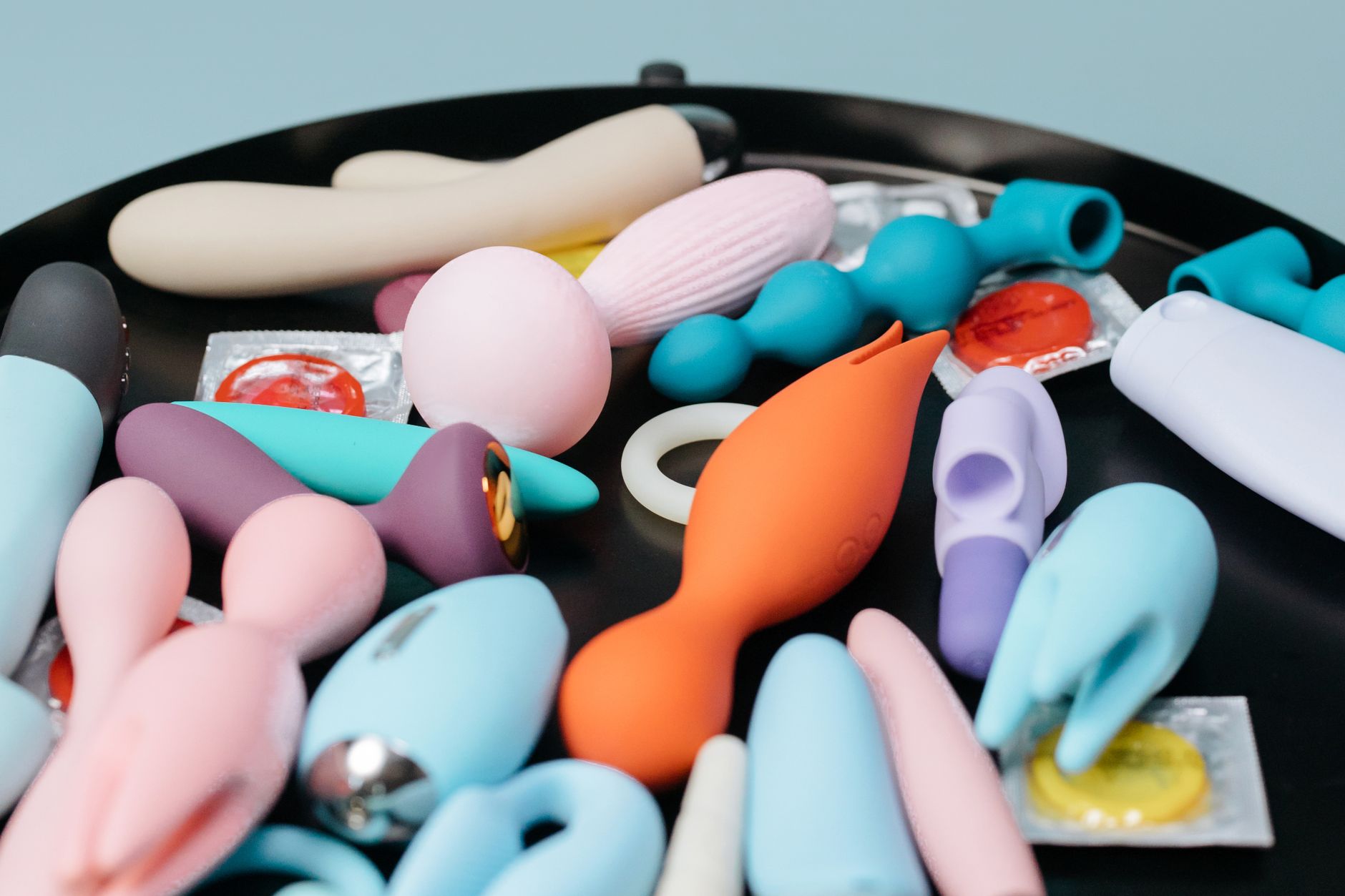
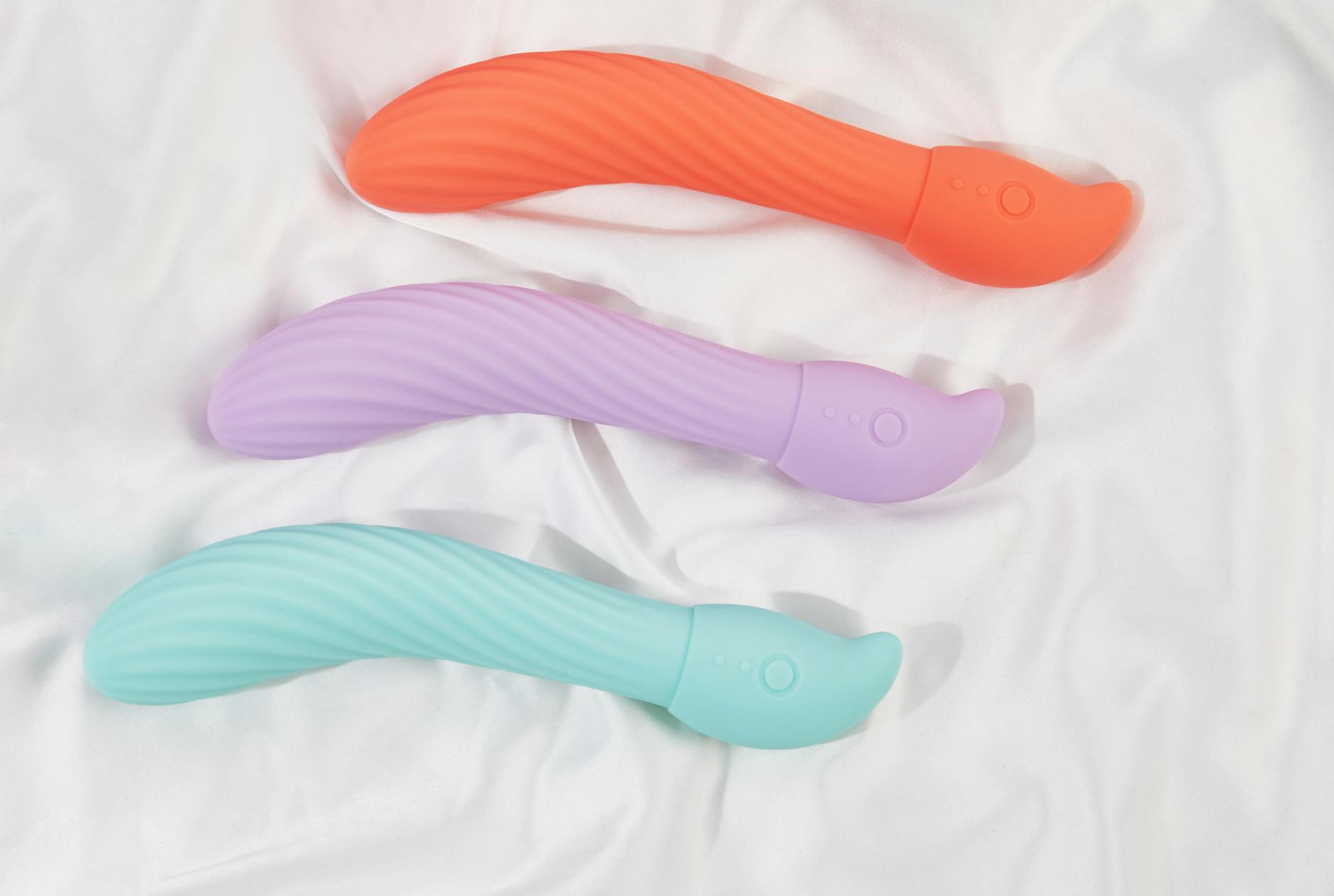
Why Lemon Vibrators Work Better Than Wands for Sensitive Skin
Not all pleasure tools are created equal. Air-suction clitoral vibrators offer a completely different sensation than traditional wands, especially if your skin is tender or easily irritated.
Traditional wand vibrators are powerful. They're also loud, they take up space, and they deliver stimulation through direct friction and vibration against tissue. For some people, that's perfect. For others, particularly those with sensitive or reactive skin, a wand can feel like holding a jackhammer against your most delicate nerve endings.
If you've ever felt raw, overstimulated, or even slightly bruised after using a wand, your body isn't broken. It's just telling you that you need a different approach.
Enter air-suction technology. Lemon vibrators like the Lem operate on an entirely different principle, and the difference is noticeable immediately.
Instead of vibrating against tissue, an air-suction vibrator creates a gentle seal and delivers rhythmic pulses of air and pressure. Think of it less like a massage and more like a soft, persistent kiss with varying intensity. The stimulation happens across a broader surface rather than concentrating pressure in one spot.
For sensitive skin, this matters enormously. There's no mechanical grinding, no direct vibration creating micro-friction on delicate tissue, and no need to press the toy firmly against your body to feel it.
The Lem, one of the most popular lemon clitoral vibrators on the market, uses this exact technology. The suction patterns vary from gentle to intense, but even at the highest setting, the sensation is fundamentally gentler on tissue than a traditional vibrator delivering the same intensity level.
Your vulva has roughly 8,000 nerve endings concentrated in an incredibly small area. The clitoris itself is even denser. Wand vibrators deliver rapid, repetitive mechanical stimulation directly to this sensitive area, which can trigger inflammation, temporary numbness, or that raw, chafed feeling hours later.
This isn't a sign you're doing something wrong. It's a sign that direct vibration is too intense for your particular skin biology. Some people's skin is simply more reactive. That might be genetics, it might be hormones, it might be that you have conditions like lichen sclerosus or vulvodynia that require gentler stimulation.
Air-suction clitoral vibrators like lemon sexual toys distribute pressure differently. Instead of the constant mechanical tapping of a wand, you get rhythmic pulses that build sensation more gradually and feel less abrasive overall.
With a wand, you often hit a ceiling fast. The toy feels intense immediately, and increasing the setting makes it feel more intense but not fundamentally different. Pleasure plateaus quickly.
With air-suction lemon vibrators, the pleasure curve is different. Early patterns feel subtle and exploratory. As you progress through settings, the intensity builds in a way that feels additive rather than aggressive. You're not fighting against the toy; you're building with it. Many people find this arc more satisfying overall.
This is particularly true if you need longer warm-up time, whether that's because of age, hormones, medication, or just your personal wiring.
Wand vibrators. Loud, powerful, direct mechanical vibration. Ideal for people who want fast intensity and have robust tissue tolerance. Can feel overwhelming on sensitive skin after 10-15 minutes of use.
Lemon clitoral vibrators (air-suction). Quieter, more gradual sensation build, distributed pressure across tissue. Gentler on sensitive or reactive skin. Patterns feel more varied because the suction creates actual rhythm changes, not just intensity changes. Many people can use them for longer without discomfort.
Both can produce intense orgasms. Both have their place. The question is which one matches your body's needs right now.
Expect a different sensation. If you've only used wands, the first time you try an air-suction lemon sucker vibrator might feel subtle. That's not a problem. Your body is just receiving stimulation differently. Give yourself three or four sessions before deciding whether you like it.
Start at the lowest setting. Even though air-suction vibrators are gentler, beginning at pattern 1 or 2 lets you understand how your skin responds. You can always increase intensity.
Use lube. Water-based lubricant helps the seal work more effectively and creates a more comfortable sensation overall. It's not mandatory, but it improves the experience significantly.
Don't expect instant gratification. Wands often deliver very quick orgasms. Lemon clitoral vibrators tend to build sensation more gradually. This isn't worse; it's just different. Some people find this extended build more satisfying because it involves more sustained pleasure.
Listen to your body's responses. If you feel irritation, stop. Try a lower setting next time, or increase warm-up time. Sensitive skin sometimes needs gentler approach work before introducing any toy.
If you experience any of the following, a lemon vibrator might genuinely change your experience: pain or rawness after using wands, difficulty reaching orgasm with direct vibration, numbness or loss of sensation after 15 minutes of wand use, or simply wanting a toy that doesn't vibrate aggressively.
The technology isn't new (it's been in European markets for years), but it's increasingly available, and the quality has improved dramatically. Hello Nancy's Lem is one of the better-engineered versions on the market.
If you respond well to high-intensity, direct stimulation and never experience irritation, wands might still be perfect for you. Not everyone needs to switch. This isn't about one being objectively better; it's about matching the tool to your specific body's needs.
The point is having options. If sensitive skin has kept you from enjoying clitoral pleasure tools, air-suction vibrators represent a completely different approach that might work where wands didn't.
Maybe, and it's worth discussing with a pelvic health therapist or gynecologist first. Air-suction vibrators are gentler than wands, but they still involve stimulation. Some people with vulvodynia respond well to them; others find that any vibrator, regardless of type, triggers symptoms. A pelvic physical therapist can help you figure out what your specific tissue tolerance is and guide you toward tools that feel safe.
They work best with direct contact on the clitoris or surrounding tissue, but the seal is gentle enough that you don't need to press hard. Some people find that using them over underwear or through a thin barrier reduces stimulation comfortably. Experiment to find what works for your sensitivity level.
Bullets are also less intense than wands because of their smaller surface area and typically lower power. Air-suction lemon vibrators are different because they create actual suction and rhythmic pulses rather than pure vibration. Some people prefer bullets; others find the air-suction pattern more effective. You might need to try both to know which fits your body.
Not necessarily, and pushing through discomfort isn't worth it. If a toy causes pain or irritation consistently, that's your body's honest feedback. Skin sensitivity isn't something that typically "toughens up" with use. Better to find a tool that feels good from the start.
Yes. Sonic vibrators (which vibrate at higher frequencies but lower amplitudes) can feel less aggressive than traditional wands. Small external vibrators designed for couples play are often lower intensity. Air-suction lemon clitoral vibrators just happen to be one particularly effective option that many people with sensitive skin haven't tried yet.
Most people know within 2-3 sessions whether a tool feels right. Your nervous system doesn't need weeks to adapt; if something feels good, it feels good. If it feels uncomfortable or awkward after three genuine attempts, it's probably not your match, and that's fine.
Sensitive skin is a valid reason to explore different tools. It's not a limitation; it's information about what your body needs to feel safe and satisfied. If wands have left you feeling raw or overstimulated, lemon vibrators offer a genuinely different experience worth trying. Many people discover that air-suction technology not only feels better on sensitive tissue but actually unlocks more intense, longer-lasting pleasure than they ever experienced with traditional vibration.
Your body knows what it needs. Sometimes you just need to listen and try a different approach. If you have questions about what might work best for your specific situation, reach out to our team at /contact. We're here to help you find exactly what you're looking for.