How to Choose Between Lemon Vibrators and Other Clitoral Toys
There's no single best toy. But there's definitely a best toy for you. Here's how to figure out which one actually fits your body and what you're after.
If someone promises you "the one perfect toy for everyone," they're selling something. Your pleasure is too specific, your body too unique, and your wants too varied for a single answer.
But here's what is actually true: there are maybe four or five broad categories of clitoral toys, each with a genuinely different sensation. Once you know what your body responds to, picking the right one becomes way less of a guessing game.
Let me break down the actual differences so you stop shopping blind.
Lemon vibrators and clitoral suction toys operate on air pulse technology. They don't vibrate in the traditional sense. Instead, they create a gentle suction and release pattern that stimulates the clitoris from the outside, without direct contact. The sensation is often described as a gentle pulling or rhythmic pressure. Because there's no direct friction, these toys are wildly popular with people who find traditional vibrators too intense or irritating.
Traditional vibrators (wands, rabbits, bullet-shaped toys) deliver constant or rhythmic vibration directly to the tissue. The sensation is more constant stimulation. Wands deliver broad vibration across a larger surface area, while smaller vibrators concentrate it. If you've ever felt a massage wand, you know the general vibe. Some people love this directness. Others find it overwhelming or even uncomfortable.
Grinding and pressure toys are designed to apply firm, sustained pressure without vibration. Think of them as something you rock or press against rather than a toy that moves. These work brilliantly for people who respond to pressure and shape rather than vibration.
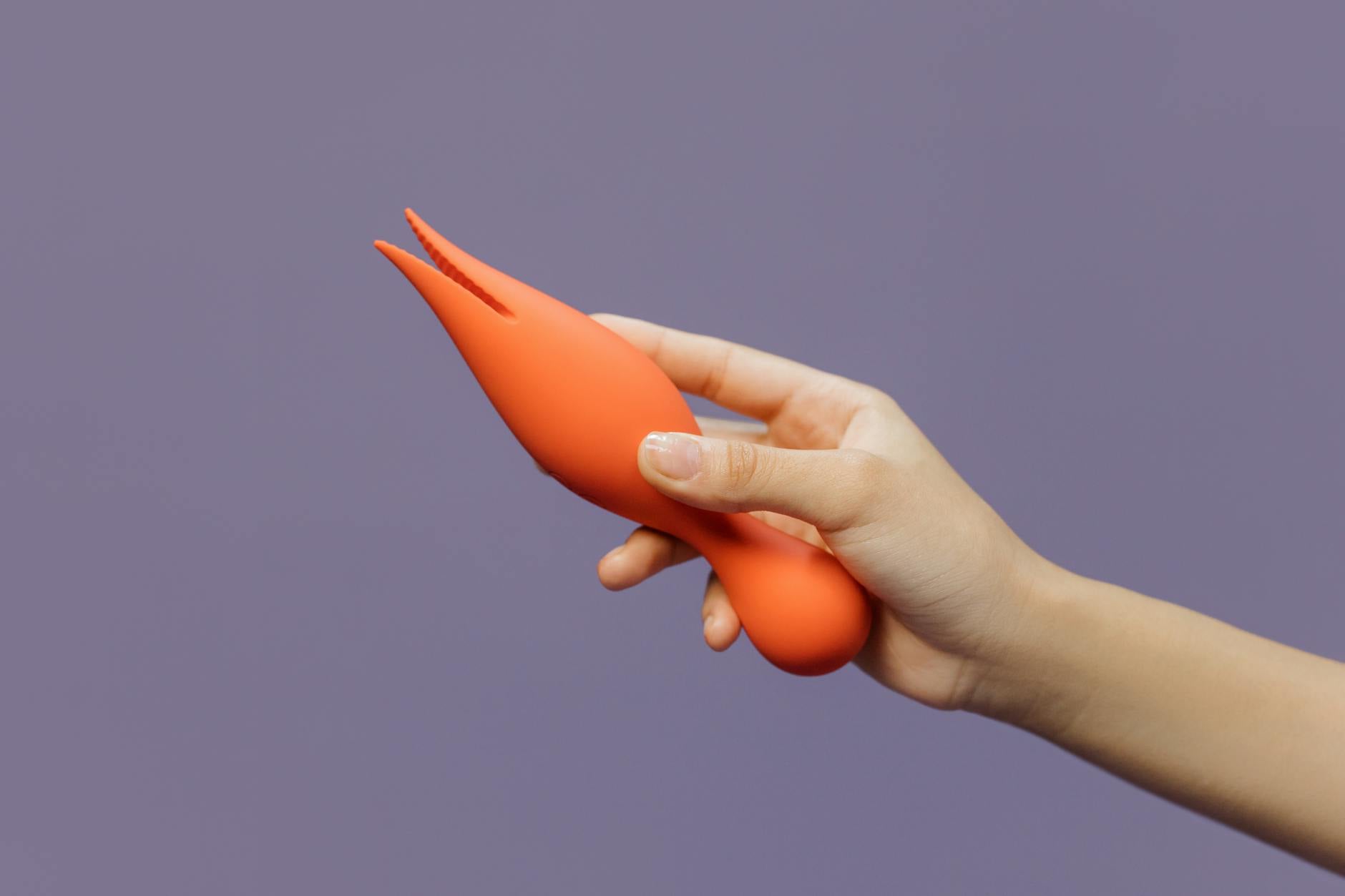
External stimulators in creative shapes (some toys are designed to look like everyday objects, others prioritize ergonomics) offer variety in contact surface and angles. The Hello Nancy product range includes a few of these, each with different geometry.
The category you pick matters more than the brand.
Let me be direct: lemon clitoral vibrators aren't a universal upgrade. They're brilliant for specific situations.
Lemon vibrators excel when: You're sensitive to direct vibration. Suction is gentler on delicate tissue, and many people with vulvas find it produces more consistent arousal without the sharp, jarring sensation of a traditional vibrator. You want hands-free or partner play. The seal creates a feeling of containment that some people find deeply satisfying. You're exploring for the first time. The novelty and gentleness make lemon vibrators a natural starting point.
Lemon vibrators can be underwhelming when: You need heavy, constant stimulation. Some people's nervous systems need that direct buzz. Suction won't give it to you. You prefer precise, localized sensation. If you like working a specific spot, a smaller, more targeted vibrator gives you better control. You're sensitive to suction itself. A small percentage of people find the sealing sensation uncomfortable rather than pleasant.
This isn't about one being better. It's about fit.
Here's where most guides get it wrong. They treat sensitivity as a deficit to work around. It's not. It's just information about how your nervous system is wired.
If you have high sensitivity, you're not broken. You might just respond better to toys that distribute sensation across a wider area rather than concentrating it. Wands do this through broad surface contact. Lemon vibrators do this through gentle, rhythmic suction rather than intense vibration. Both work. One will probably feel better to you than the other, and that's worth discovering.
If you have lower sensitivity (and this is common and completely normal), you might need more direct stimulation. A traditional vibrator with a smaller tip and higher intensity often works better. You're looking for toys that deliver undeniable sensation, not subtle pressure.
The pattern: wide, distributed sensation for high sensitivity. Direct, intense sensation for lower sensitivity. Neither is better. Both are real.
You can't feel a toy through a screen, so here's how to make an educated guess.
Recall your massage response. Do you prefer a broad massage (like a massage chair) or a deep tissue point massage? If you like broad and gentle, you're probably a lemon vibrator person. If you need concentrated pressure, a wand or smaller vibrator is likely your match.
Think about your shower or bath preference. Do you like the feeling of full water pressure spray, or a focused jet? Again, this parallels how different toys feel. Spray people often love suction. Jet people often love direct vibration.
Consider your response to touch. When your partner or you touch yourself, do you prefer light, teasing contact or firm pressure? Lemon vibrators mimic light, rhythmic contact. Vibrators mimic firm, constant stimulation. Your preference here usually predicts your toy preference.
Check the noise level you need. Lemon vibrators are quiet. Most traditional vibrators aren't. If noise matters, that's a real reason to pick suction over vibration.
If you're starting fresh or switching things up, lemon clitoral vibrators are your move when: You want the gentlest entry point into toys. Suction is rarely painful or overwhelming. You're building back sensation after surgery, menopause, or medication effects. The non-invasive, gentle approach helps without re-traumatizing sensitive tissue. You want something that feels completely different from what you've tried before. Novelty itself can wake up your nervous system and create new pleasure pathways.
Once you've picked your category (suction vs. vibration vs. pressure), the next decisions are about fine-tuning.
Size and shape. This affects what part of your vulva gets stimulated and how much control you have. A smaller toy lets you target a specific area. A larger toy spreads sensation. If you like precision, go small. If you like broad sensation, go bigger.
Intensity levels. Different toys have different ceilings. Some max out at a gentle hum. Others get very strong. Be honest about what you need. If you've never had an orgasm before, you don't know yet what intensity you'll want, so start with something with a wide range of settings.
Patterns vs. steady vibration. Some toys offer only constant speed. Others offer rhythmic patterns. Patterns can feel different and surprising. Steady vibration is easier to focus on. Neither is objectively better.
When you're choosing between specific models, these secondary features matter more than the primary category. A lemon vibrator with three intensity levels and no patterns will feel completely different from a high-end suction toy with eight patterns and a wide range. The sensation category (suction vs. vibration) sets the frame. The details fill in the picture.
If you're shopping with or for a partner, this is worth discussing first. Some questions to ask each other:
Do you want the toy to replace something, or add something? This changes what you need. Do you care about noise? Do you have privacy concerns that affect which toys work? What sensations have felt good before, even if not with a toy? Do you want to explore together, or is this primarily for solo use?
These conversations often reveal that you want different things. That's fine. You can own multiple toys. In fact, most people who've explored for a while realize they have at least two or three favorites for different moods and situations.
You don't need to be certain before you try something. Buy a toy that fits your best guess. Use it for at least a week before deciding if it works. Your body adjusts, your mind settles, and sensation often deepens with time. If it still doesn't feel right after a week, there's no shame in returning it or setting it aside for later. Your body's preferences shift with your cycle, your stress level, your relationship, and a dozen other factors.
The goal isn't to find the perfect toy. The goal is to find something that works right now, and to be willing to explore differently later. That's how you build a pleasure practice that actually fits your life instead of forcing your life to fit someone else's idea of what you should like.
Lemon vibrators use air suction and gentle pulsing, while traditional vibrators deliver continuous or rhythmic vibration. Suction feels like rhythmic pressure or gentle pulling, while vibration feels like a constant buzz or hum. One isn't better, they're just different sensations. Your body will prefer one, and finding out which is part of the exploration.
Yes, significantly. Lemon vibrators are nearly silent, which matters if noise is a concern for privacy or if you live with roommates or family. Most traditional vibrators make an audible hum. If discretion matters to you, suction toys are worth exploring for that reason alone.
Actually, lemon vibrators often work better for sensitive people because suction is less intense than direct vibration. That said, a small percentage of people find suction itself uncomfortable. The best way to find out is to test one or read reviews from people describing similar sensitivity. Our full guide to lemon vibrators for sensitive areas has troubleshooting steps if you try one and it doesn't feel right.
No. The most expensive toy isn't always the best for your body. A simpler, less expensive lemon clitoral vibrator might feel better than a high-end wand, depending on your preferences. What matters is that it fits your sensation needs and is made from body-safe materials. Read reviews from people with similar bodies and preferences to you, and don't assume price equals pleasure.
Think about what feels good with your hand or a partner. Do you like gentle, rhythmic pressure or firm, constant stimulation? Suction creates gentle, rhythmic sensation. Vibration creates firm, constant sensation. Also consider your sensitivity level and noise concerns. If you're still unsure, many people find it helpful to read reviews from others describing how the sensation actually felt, not just marketing language.
That's a normal part of exploring. Your preferences will shift, and a toy that doesn't work right now might work perfectly in six months. You can set it aside, return it if the shop allows, or give it away. No toy is a failure if it teaches you something about what you do or don't like. That information is valuable and worth the experiment.
Ready to explore? Start with your best guess based on what you know about your body. Use it for at least a week. Pay attention to what feels good and what doesn't. Your pleasure is specific and learnable. You just need to stay curious.
If you want personalized guidance or have questions about what might work best for your situation, reach out to us. We're here to help you figure out what actually fits.