When you have pelvic surgery—whether it's a hysterectomy, fibroid removal, endometriosis treatment, or something else—the medical team is focused on fixing what's wrong. Nobody's talking much about what happens to sensation afterward. That's the gap I want to close.
Surgery changes pleasure. Not permanently, but definitely temporarily. Scar tissue forms. Nerves take time to wake back up. Your brain's map of your pelvic region gets redrawn. And if you're like most people, you've been told to wait six weeks, avoid penetration, and not much else.
Here's the mechanics. When a surgeon works in your pelvic area, they're cutting through tissue and nerves. Those nerves don't die—they're just confused and inflamed for a while. Sensation returns, but the timeline is inconsistent. Some nerves wake up in weeks. Some take months. Some come back different than they were before.
The clitoris has about 8,000 nerve endings concentrated in a small space. Surgery doesn't damage the clitoris itself usually, but the inflammation and scar tissue around it can numb the area temporarily. You might feel less, or feel it differently. Orgasms might feel shallower, delayed, or missing entirely. This is clinical and common—not a sign something went wrong.
Scar tissue also restricts blood flow and movement. Arousal takes longer because blood isn't reaching your tissues as quickly. This is frustrating, but it's also temporary if you engage it thoughtfully.
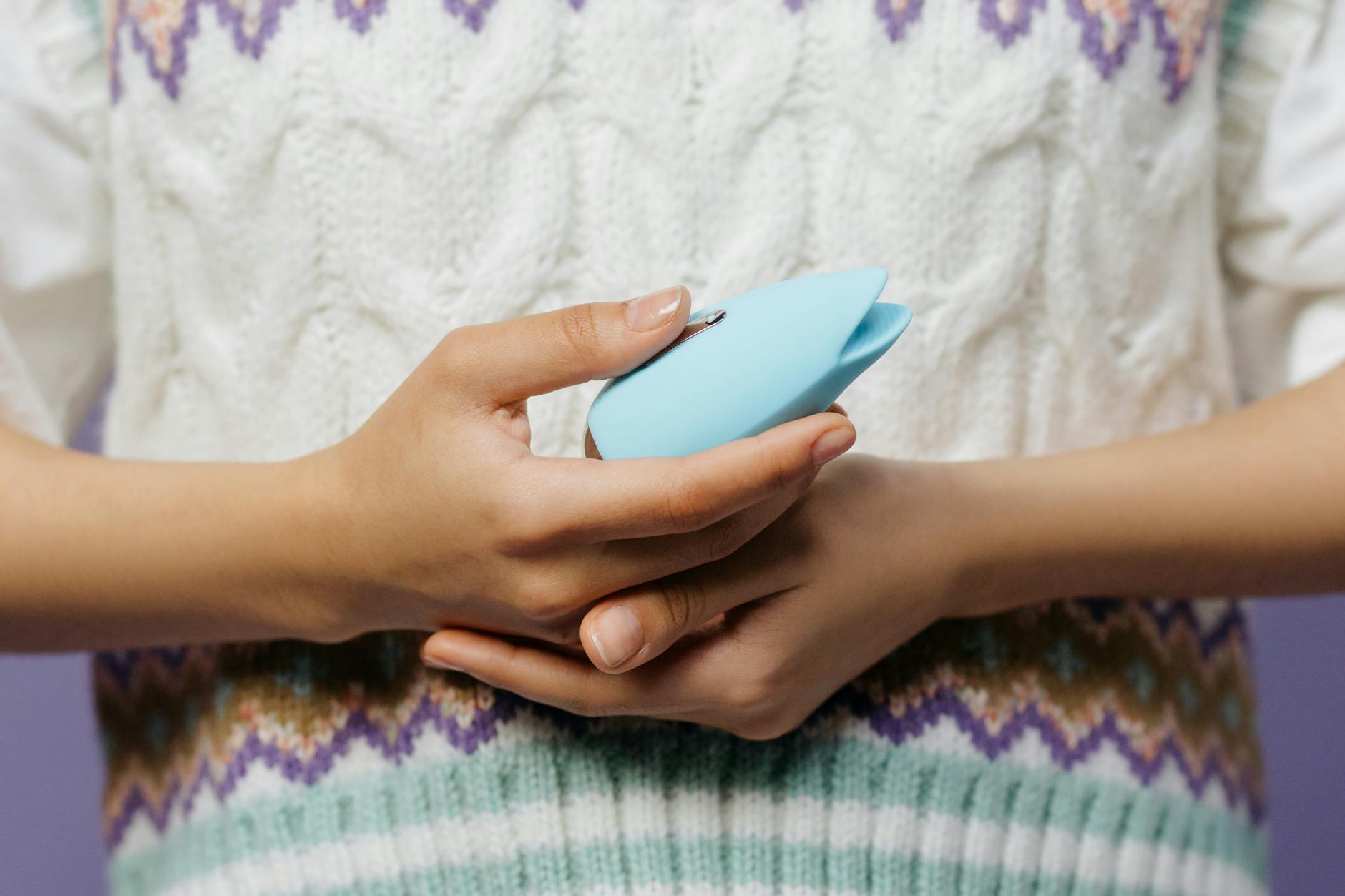
A lemon clitoral vibrator uses suction and gentle pulse patterns instead of direct vibration. This matters for post-surgical bodies for three specific reasons.
First, suction doesn't require you to have full sensation yet. Vibration is a passive stimulation—your nerve has to feel the buzz to respond. Suction works by creating sensation that your nerve recognizes as novel and compelling, even if the tissue is still slightly numb. The sensation is different enough from normal touch that your nervous system pays attention.
Second, suction doesn't put pressure on healing tissue. If you have scar tissue forming, direct vibration can feel irritating or painful. Suction is gentler on tissue that's still tender. You're not grinding anything—you're creating a seal and letting the lemon do the work.
Third, the buildup is gradual. Most clitoral vibrators are on or off, loud or quiet. A lemon vibrator has 12 patterns and multiple intensity levels. This means you can start at pattern 1, low intensity, and literally spend three minutes just getting used to the sensation before you turn it up. This is huge for bodies that have been through trauma.
Get clearance from your surgeon first. Most gynecologists say six weeks before penetration, but that's about risk of infection, not about pleasure. You can start exploring external sensation earlier—ask your surgeon specifically about clitoral touch.
Weeks 2-4: If you have clearance, start looking. Don't expect much. Hold the lemon vibrator close, turn on pattern 1, lowest intensity, and just notice what you feel. Thirty seconds is enough. The goal here is sensory awareness, not orgasm. You're teaching your nervous system that this area is waking up.
Weeks 4-8: You can spend a bit longer with it—maybe 2-3 minutes. Still low intensity. You're not chasing orgasm yet. You're rebuilding the pathway from "touched" to "feeling something." This phase is often the most frustrating because you remember what you used to feel and this is less. Stay with it anyway.
Weeks 8-12: Intensity can go up now. You might try patterns 2-4. You're starting to notice changes in sensation. Arousal might feel slightly faster. Some people get their first post-surgical orgasm in this window. Some don't. Both are completely normal.
3-6 months: This is where most people see real recovery. Sensation deepens. Orgasms return and often get stronger. Many people find that they're actually more intense than pre-surgery because you've had to rebuild awareness from the ground up. You're using patterns 5-8, maybe higher. The lemon vibrator becomes genuinely pleasurable instead of a medical experiment.
Two rules. First, lubrication matters more than you think. Even externally. After surgery, tissue is dryer than normal. Water-based lube makes the suction work better and keeps you comfortable. Second, your pelvic floor is tight from surgery. It's protecting you. Don't fight it. Use the lemon vibrator to help it relax instead.
Start lying down. Gravity helps everything feel less intense. Hold the lemon vibrator in your hand instead of using a hands-free approach—you want control. Place it gently against your clitoris, pattern 1, low intensity. If it feels uncomfortable, stop. Uncomfortable post-surgery is a signal to slow down. Pain is a red flag to call your surgeon.
Some people find that starting with the lemon vibrator hovering just above the clitoris, not directly on it, feels better in early weeks. Try that if direct contact feels overwhelming. You're building tolerance slowly.
Session length doesn't matter. Five minutes is fine. Fifteen minutes is fine. Stop when you want to stop, not when you think you "should" orgasm. This is the opposite of performance pressure, which is exactly what your nervous system needs.
If you have nerve pain, shooting sensations, or burning that doesn't ease after a few minutes, this isn't the right tool yet. Talk to your surgeon or a pelvic floor physical therapist. They can assess whether you have nerve compression or adhesions that need attention before pleasure work.
If you have scar tissue that's restrictive, a pelvic floor PT can often help release it. Once that's addressed, the lemon vibrator becomes way more effective.
If orgasm just isn't happening three months out and you're using the lemon vibrator regularly, consider whether other things changed too. How to Use a Lemon Vibrator When Recovery Takes Longer Than Expected covers the emotional and physical reasons orgasm might be delayed beyond the typical timeline.
Honestly, this is where communication saves everything. If you have a partner, tell them: "I'm using this to rebuild sensation. It's not about feeling sexy right now. It's about teaching my body that touch is safe again." That changes the whole dynamic from performance to healing.
Your partner can be in the room or not. Some people prefer solo exploration during recovery. Some want the presence of their partner without any expectation of sex. All of those are completely fine. What matters is clarity about what you're doing and why.
If your partner wants to help, they can apply lube, hold the lemon vibrator for you if you're tired, or just be present and quiet. But they shouldn't expect participation from you beyond what you initiate. This phase is about you learning your body again, not performing for anyone.
There's something that happens when you deliberately rebuild pleasure. You stop taking sensation for granted. You notice small improvements that you might have missed otherwise. Your first orgasm post-surgery might be gentler than your pre-surgery orgasms, but you'll feel it so acutely because you worked for it.
Most surgeons clear external clitoral touch around week 4-6, but ask yours specifically. Some are more conservative, some less. The six-week rule is about penetration and infection risk, not about stimulation. Even if you're cleared for nothing internal, external vibration with the right approach is often okay much earlier. Always get explicit approval from your surgical team.
The lemon vibrator doesn't touch your scar directly if you're using it on your clitoris. Scars are usually higher up, in the pubic area or above. If your scar is low and you're worried about proximity, keep the vibrator away from that area entirely. Your clitoris is separate. But if you have any doubt, ask your surgeon where the scar is and what areas to avoid for how long.
It will usually come back, but the timeline varies wildly. Some people are back to full sensation in 8 weeks. Some take 6 months. Some take a year. If you're using the lemon vibrator consistently and nothing's happening after 4-5 months, it's worth seeing a pelvic floor physical therapist. They can check for adhesions or nerve issues that might need specific treatment. But patience is usually the answer here.
The lemon vibrator is external only, so internal scar tissue won't be bothered by it. If internal scar tissue is causing pain during or after using it, that's a signal to slow down and potentially get checked out. But the vibrator itself isn't causing the problem—it's just revealing that something needs attention from a physical therapist.
Start alone. This lets you learn what your body needs without anyone else's rhythm or expectations in the room. Once you've had a few sessions solo and know what patterns and intensities work, you can explore with a partner if you want. But solo exploration first is usually easier for post-surgical bodies.
Completely normal. They might feel shallower, delayed, or come from a different angle. This usually settles over a few months as sensation fully returns. Some people find their orgasms are actually stronger post-surgery because they've rebuilt awareness. Your nervous system is rewiring. Give it time.
Surgery changes pleasure temporarily. It doesn't end it. A lemon vibrator can help you rebuild sensation safely because suction is gentler on healing tissue than vibration, and because it gives you granular control over intensity. Start low, be patient, and don't chase orgasm—just chase sensation. Your body will rebuild. It just needs permission, time, and a tool that works with your recovery instead of against it. If you're struggling with the emotional side of post-surgical recovery and intimacy, consider reaching out to a therapist who specializes in this. The physical tools matter, but so does the emotional reset.